

Eagle Rock restaurant glazing plays a big role in how a new eatery looks, feels, and works. Colorado Boulevard and York Boulevard are home to cafés, taquerias, wine bars, bakeries, and casual dining spots. Many of these restaurants move into older retail buildings with small windows or worn storefronts. So the glass often needs to change. Front windows draw diners in, doors handle constant traffic, and interior glass shapes the dining room and kitchen. This guide explains how to plan windows, doors, and interior glass for a restaurant tenant improvement in Eagle Rock.
Chefs, owners, and builders can use it to plan a room that is both welcoming and easy to run.
Why Glass Matters for Restaurants
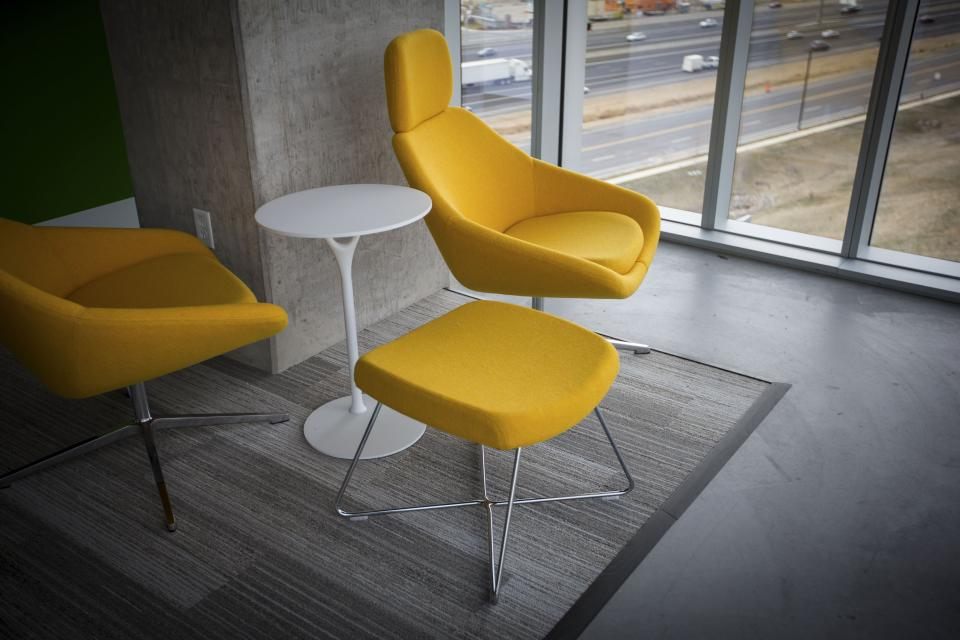
People often choose where to eat by looking through the window. A bright dining room with happy guests is the best ad a restaurant can have. In addition, large windows bring in daylight, which makes food and drinks look their best. Glass doors and patio openings can also connect indoor and outdoor seating. So glass is both a design tool and a sales tool.
Eagle Rock Restaurant Glazing Starts With the Front
The front window is the restaurant’s face. So many owners want to widen openings or lower sill heights to show off the dining room. Before that, check the wall structure. Older buildings may need new headers or posts to support bigger openings. Also, review landlord rules and city design standards for the street. Early checks keep the design realistic.
Choosing Front Window Glass
Restaurant fronts often face strong afternoon sun. Therefore, low-E coated glass helps keep the dining room cool and reduces glare at tables. In addition, safety glass is required near doors and close to the floor. Some owners choose laminated glass for extra security and sound control from street traffic. Your glazier can explain the trade-offs between clarity, cost, and comfort.
Eagle Rock Restaurant Glazing for Entry Doors
Restaurant doors open hundreds of times a day. So durable frames, strong hinges or pivots, and heavy-duty closers are a must. In addition, accessible thresholds and easy-to-use hardware are required. Many restaurants also add a vestibule to block heat, cold, and kitchen smells from escaping. A well-built entry is a core part of Eagle Rock restaurant glazing. Planning these features early helps the front work as hard as the staff.
Folding and Sliding Glass Walls
Opening the front to the sidewalk creates a lively, open-air feel. Folding and sliding glass walls are popular for this. They let a dining room spill onto a patio on mild days, which happen often in Los Angeles. However, these systems cost more and need careful installation. Also, they must seal well when closed to keep out rain, dust, and noise. Ask your glazier about water ratings and track designs.

Eagle Rock Restaurant Glazing for Patios
Outdoor dining is a big draw in Eagle Rock. Patio areas may need glass wind screens, railings, or doors that connect to the dining room. In addition, sidewalk seating may need city permits. So plan the patio and the glass together. That way, the indoor and outdoor spaces feel like one place.
Eagle Rock Restaurant Glazing Inside the Dining Room
Interior glass can shape the guest experience. For example, glass walls can show off a wine room, a bakery counter, or a pasta station. They also divide private dining rooms without closing them off. In addition, glass lets light move through the space. Choose tempered or laminated glass for these walls and plan for easy cleaning.
Eagle Rock Restaurant Glazing for Show Kitchens
Open and show kitchens are popular because guests enjoy watching chefs work. A glass screen can block grease, heat, and noise while keeping the view. However, glass near cooking areas must handle heat and frequent cleaning. So work with your designer and glazier to choose the right glass and placement. Also, keep clearance from hoods and fire suppression systems.
Health and Safety Rules
Restaurants face extra rules from the health department. For example, food prep areas need smooth, cleanable surfaces, and some openings need screens or air curtains to keep pests out. Pass-through windows for takeout or drive-up service must meet these rules too. The Los Angeles County Environmental Health office explains plan check requirements for food facilities.
Takeout Windows and Pickup Shelves
Many restaurants now handle a large share of orders for pickup and delivery. A walk-up window or pickup shelf can speed this up. Sliding pass-through windows let staff hand out orders without opening the main door. In addition, they keep the dining room calm during busy times. Plan these windows with security and weather in mind.
Eagle Rock Restaurant Glazing and Permits
Most restaurant build-outs in Los Angeles need building permits. New openings, folding walls, and interior glass are all part of the review. In addition, energy forms and accessibility details must be included. So bring your glazier into design early. A glazier who has worked through LA restaurant reviews can help avoid delays. Our page on commercial glass doors explains common entry options.
Scheduling Around the Build-Out
Restaurant projects involve many trades. Kitchen equipment, hoods, plumbing, and electrical work all take time. Glass usually goes in after framing and finishes around the openings. However, front windows may need to go in sooner to secure the space. So plan glass dates with the general contractor early. Also, protect new glass during messy work like tile setting and painting.
Budgeting Eagle Rock Restaurant Glazing
Glass costs vary widely. Simple window swaps cost much less than folding walls or custom interior features. So rank your goals. For many restaurants, the front window and entry are the top priority. Interior glass and patio features can follow if budget allows. Our guide to tenant improvement glazing shares more planning tips.
Neighborhood Character
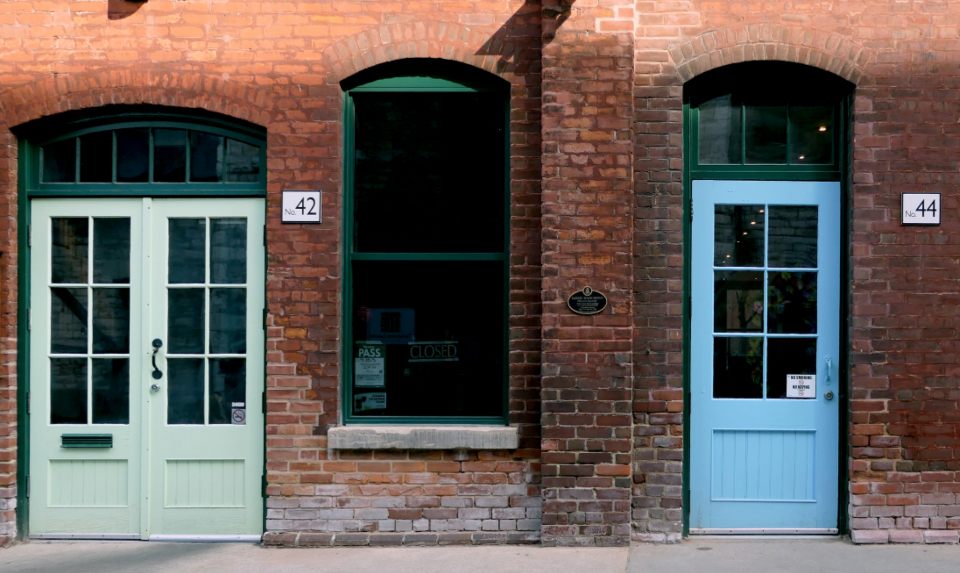
Eagle Rock has a strong local identity, with historic buildings, indie shops, and a creative crowd. So many owners want a front that fits that charm. For example, steel-look frames, divided lites, or wood accents can echo older storefronts. In addition, keeping original details where possible shows respect for the street. A front that fits the block often earns more local love.
Cleaning and Upkeep
Restaurants are busy, and glass gets dirty fast. Fingerprints, grease, and dust show up quickly. So plan glass that is easy to reach and clean. Also, choose hardware that wipes down well. A simple daily routine keeps windows clear and the dining room looking fresh.
Noise and Comfort
Busy streets can be loud. Fortunately, laminated or insulated glass cuts outside noise. Inside, hard glass surfaces can make rooms echo. So balance glass with soft finishes like booths, rugs, and acoustic panels. As a result, guests can enjoy their meal and their conversation.
Restaurant Glass Checklist
- Check wall structure before widening front windows
- Choose low-E and safety glass for the front
- Pick durable, accessible entry doors
- Plan folding walls and patios together
- Use interior glass to shape dining spaces
- Meet health rules for kitchens and pass-throughs
- Coordinate permits and schedule with the general contractor
Create a Space Guests Remember
Thoughtful Eagle Rock restaurant glazing helps a new eatery stand out on Colorado Boulevard and York Boulevard. With bright windows, strong doors, and smart interior glass, your restaurant can welcome guests and run smoothly for years. To talk through your plans, send us a message today.