
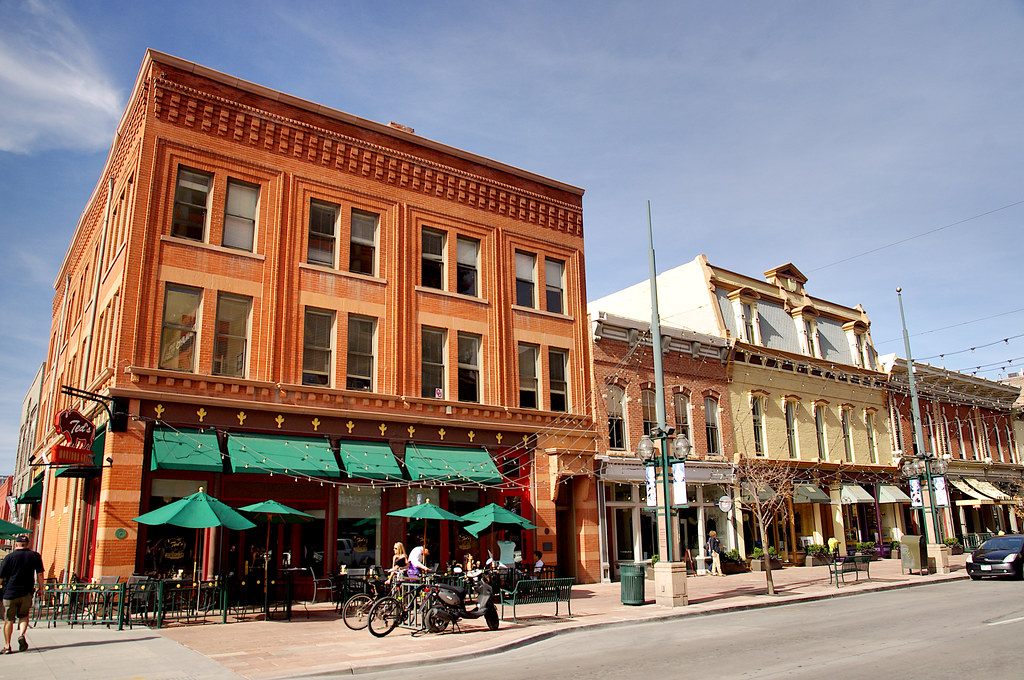
Highland Park storefront glass projects often start with a building that has plenty of charm and plenty of wear. Highland Park, in Northeast Los Angeles, mixes century-old brick buildings, Craftsman-era shops, and mid-century storefronts along York Boulevard and North Figueroa Street. Coffee roasters, vintage shops, bars, and galleries now fill many of these spaces. Yet the glass and frames in older storefronts often leak, rattle, or fog. When a new tenant moves in, updating the storefront can make the space safer, brighter, and more inviting. Here is how to approach new glass in an older Highland Park tenant space.
Shop owners, landlords, and builders can follow these steps to respect the neighborhood’s character while gaining a modern, efficient front.
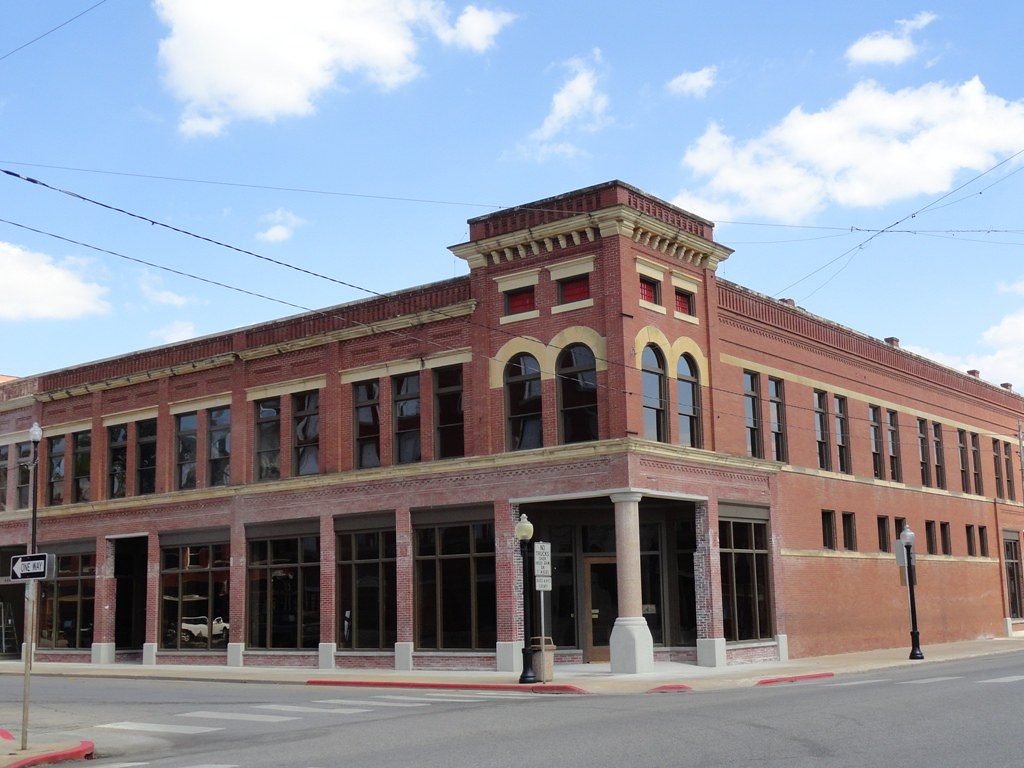
Why Older Storefronts Need Attention
Many Highland Park storefronts have single-pane glass in wood or early aluminum frames. Over decades, putty dries out, wood swells, and metal bends. As a result, these fronts let in heat, noise, and street dust. In addition, old glass may not meet today’s safety rules near doors. So a careful update improves comfort, security, and safety all at once.
Start Highland Park Storefront Glass Work With a Survey
First, a glazier surveys the front. They measure every opening at several points, since older walls often lean or settle. Next, they check the header above and the bulkhead below for rot, cracks, or rust. In addition, they note transom windows, tile bases, and any original details worth keeping. This survey shapes the whole design and budget.
Historic Character and Design Rules
Part of Highland Park lies in the Highland Park–Garvanza Historic Preservation Overlay Zone. In that zone, storefront changes may need design review. The goal is to keep the look of the street while allowing updates. So check whether your address falls inside the overlay before you pick products. The Los Angeles City Planning website explains how the review works.
Highland Park Storefront Glass Frame Choices
Frame style sets the tone of the front. In historic settings, narrow frames in dark bronze or black often echo the look of older steel or wood. Some owners choose wood-clad systems for an authentic feel. Others pick aluminum with slim profiles and divided lites. In each case, the frame should suit the building’s era and the tenant’s brand.
Picking the Right Glass
Today’s storefronts usually use dual-pane units with a low-E layer. They block much of the late-day heat yet leave merchandise in clear view. Near doors and close to the floor, code calls for tempered or laminated panes. In addition, laminated glass adds security for shops with valuable stock. Your glazier can explain how each choice affects cost and comfort.

Keeping Transoms and Original Details
Many older storefronts have transom windows above the main glass. These let extra daylight into deep, narrow shops. Rather than covering them, many owners restore or reglaze them. In addition, original tile bulkheads and decorative trim add character. A good glazier can work around these details instead of removing them.
Highland Park Storefront Glass and Title 24
Swap out most of a storefront’s glass, and the state energy code kicks in. The replacement panes then have to hit set limits for heat flow. That usually means insulated, low-E units with rating labels. The California Energy Commission posts the current rules. Meeting them also helps keep summer cooling bills under control.
The Entrance Door
The door sees the most use of any part of the front. So spend on sturdy pivots, a commercial-grade closer, and a solid lock. Medium-stile aluminum doors work well in most shops. In addition, the entrance must welcome everyone, with a wide opening, a low threshold, and easy-to-use pulls. The ADA website explains the federal rules.
Fixing Uneven Floors at the Entry
Older buildings often have a step or slope at the door. These conditions make access harder and can trip customers. So the contractor may need to adjust the slab or add a small ramp inside the door. Planning this with the storefront work avoids extra trips and patchwork later.

Security for Street-Level Shops
York and Figueroa stay busy late into the night. To protect stock after hours, many owners use laminated glass, security film, or interior roll-down grilles. Interior grilles keep the front looking open while adding protection. A well-lit window also discourages thieves and shows off your goods after closing.
Highland Park Storefront Glass Permits
Highland Park sits within the City of Los Angeles, so LADBS handles building permits for storefront work. Plans should show glass types, frame details, door hardware, and energy forms. If the building lies in the historic overlay, design review comes first. Therefore, start the paperwork early so it does not hold up construction.
Signs and Window Graphics
Highland Park shops often use hand-painted signs and vinyl lettering on the glass. These add personality and tie the store to the neighborhood. However, too much coverage blocks the view inside. So plan graphics with the storefront design and keep most of the glass clear. In addition, check whether the historic overlay limits sign size or style.
Working Around Neighbors
Many Highland Park storefronts share walls and sidewalks with busy neighbors. So the crew plans deliveries and staging carefully. Early morning work keeps the sidewalk clear when foot traffic is light. In addition, the crew protects nearby murals, signs, and planters. Good manners keep the block happy during construction, and they make future projects on the same street easier.
Scheduling the Update
The factory needs a few weeks for most frame and glass orders, so place the order once the design and field numbers are locked. Meanwhile, the crew can prepare the opening and fix any rot or damage. Then the old front comes out and the new one goes in, often within a few days. A short board-up may cover the gap if needed.
Budgeting Highland Park Storefront Glass
Several factors shape the price. Larger openings, custom frames, laminated glass, and historic details all add cost. In addition, repairs to old headers or bulkheads can raise the total. So keep a cushion for surprises behind the old trim. Our price-per-square-foot guide offers early numbers.
Choosing a Glazing Partner
Look for a California-licensed glazier with experience in older Los Angeles buildings. Before hiring, confirm the license through the CSLB. In addition, ask for photos of past work on historic fronts. A team that knows Northeast LA will move faster through design review and inspections.
Tips for Highland Park Tenants
- Check whether your address sits in the historic overlay
- Keep transoms and tile bulkheads when you can
- Pick dark, slim frames for a vintage look
- Fix the entry step during the storefront work
- Plan deliveries for early mornings
Highland Park Storefront Glass Checklist
- Survey openings, headers, and bulkheads
- Confirm historic overlay and design rules
- Choose frames that fit the building’s era
- Select low-E and safety glass
- Plan an accessible, secure entrance
- Submit plans to LADBS with energy forms
- Order glass early and schedule the swap
Bring New Life to an Old Front
A thoughtful storefront update lets an older Highland Park building shine while serving a modern business. With the right glass, frames, and door, your shop will draw the York Boulevard crowd for years. Explore our storefront installation services, or ask us for a site visit.