
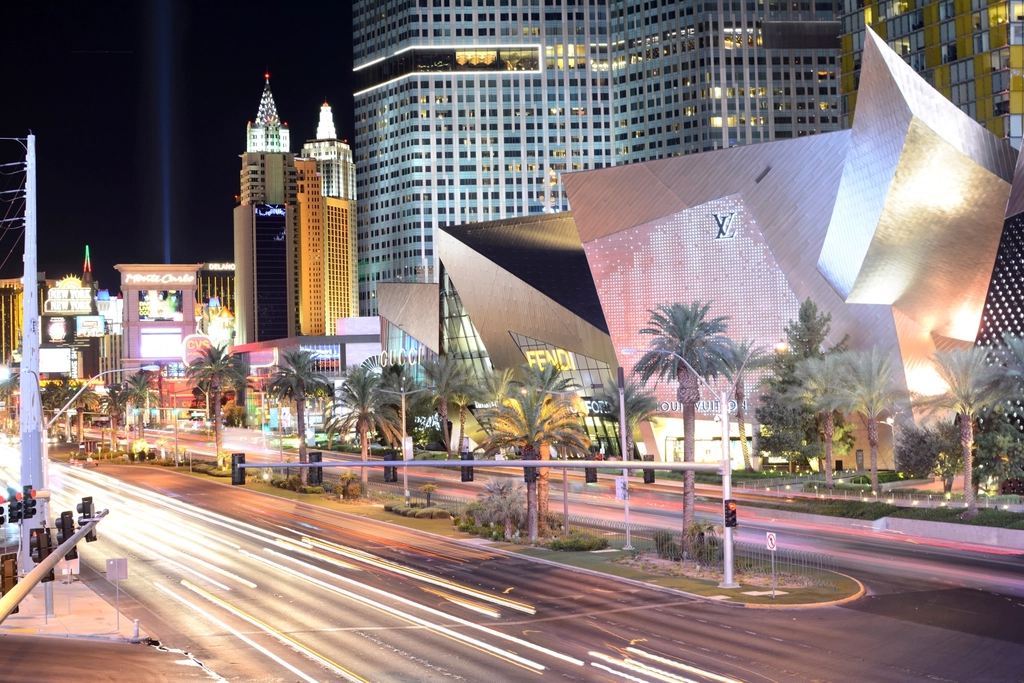
Chinatown restaurant glazing has to do a lot of work at once. Along Spring Mountain Road and the streets around it, Las Vegas Chinatown packs dozens of restaurants, bakeries, tea shops, and dessert spots into busy strip centers. The front glass is often the only thing that sets one restaurant apart from the next. It draws in diners, lets daylight into the dining room, and frames the signage that people see from the parking lot. This guide explains how to plan windows and entrances for a restaurant tenant improvement in Chinatown.
It is written for restaurant owners, landlords, and the contractors who build these spaces.
Why Glass Matters So Much in Chinatown
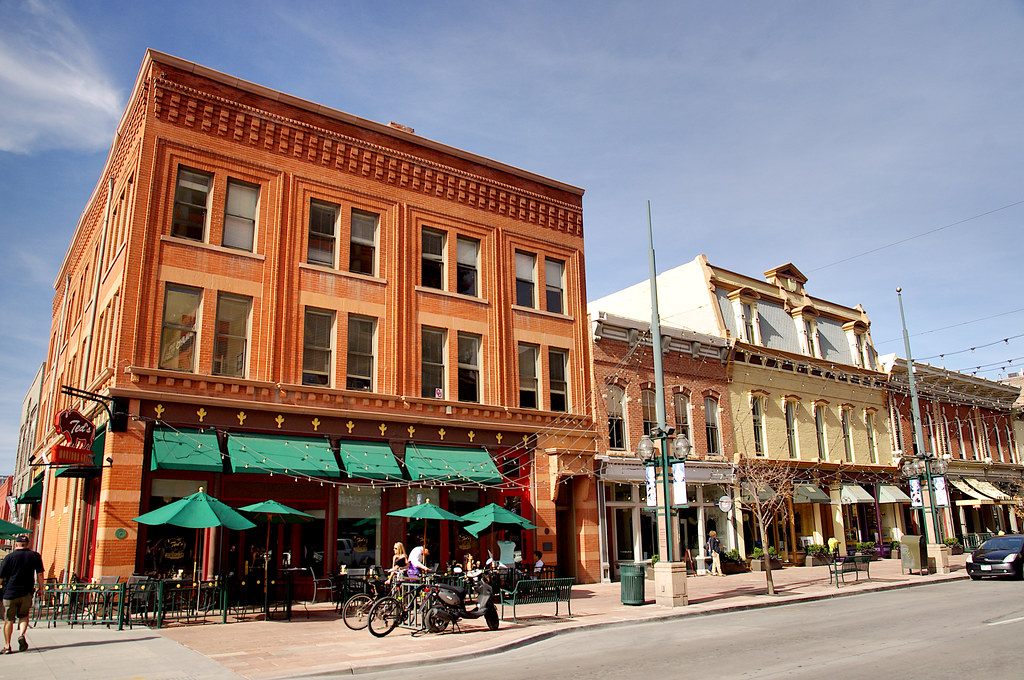
Many Chinatown centers stay busy late into the night. Diners walk past several restaurants before choosing one. So a bright, open storefront with a clear view of the dining room can make a real difference. In addition, good glass helps manage heat from the afternoon sun and the glare from busy parking lots. A well-planned front works for marketing and comfort at the same time.
Start With an Honest Look at the Existing Front
Most restaurant build-outs in Chinatown happen in second-generation spaces. The old tenant may have been a restaurant too, or it may have been a shop or office. Either way, check the storefront before design starts. Look for cracked or fogged glass, worn door hardware, leaking frames, and old film or graphics that need removal. These findings shape the budget and the schedule.
Chinatown Restaurant Glazing and the Dining Room Layout
The floor plan and the storefront should be designed together. For example, booths placed along the front glass create a lively look from outside, but they also put diners in direct sun. Meanwhile, a host stand right inside the door needs room for a waiting line. So decide where tables, counters, and the entry go before ordering glass. That way, the window layout supports the room rather than fighting it.
Controlling Heat and Glare
Las Vegas sun can turn a front dining room into an oven by late afternoon. As a result, heat control is one of the most important parts of Chinatown restaurant glazing. Low-E insulated glass blocks much of the heat while keeping the view clear. A light tint can cut glare without making the restaurant look closed. If the storefront faces west, consider exterior shading too. These steps lower cooling costs and keep guests comfortable.
Entrances That Handle Heavy Traffic
Restaurant doors open constantly, often hundreds of times during a busy evening. Therefore, choose sturdy hardware: heavy-duty pivots or hinges, a strong closer, and pulls that are easy to grip. Many owners add a vestibule or an air curtain to keep cool air inside. In addition, the doorway still has to satisfy accessibility limits on clear width, threshold height, and opening force. Planning these details early avoids changes after inspection.
Chinatown Restaurant Glazing and Health Inspections
Restaurants in Las Vegas go through health review before they open. While most health rules focus on the kitchen, the front of house matters too. For instance, doors should close tightly to keep pests out, and any pass-through windows must be built to approved standards. The Southern Nevada Health District publishes plan review guidance for food businesses.
Takeout Windows and Pickup Areas
Many Chinatown restaurants now rely on takeout and delivery. So a dedicated pickup counter near the entry, or even a pass-through window, can speed up service. However, these features need careful planning. A pass-through window must seal and lock when closed, and it may need its own approval. Talk with your glazing contractor about the options early, since custom units can take weeks to arrive.
Signage, Graphics, and Lighting on the Glass
Chinatown storefronts often feature bold signs, menus, and window graphics. Even so, too much vinyl can block the view into the dining room. Check the landlord’s sign rules first. Then plan graphics so they leave clear areas at eye level. Also think about lighting. Warm interior lights seen through clear glass make a restaurant look inviting at night.

Chinatown Restaurant Glazing for Patios and Outdoor Seating
Some Chinatown restaurants have room for a small patio along the sidewalk or the parking lot edge. When they do, the glass between the patio and the dining room becomes important. For example, a pair of wide glass doors can let servers move in and out easily. Meanwhile, large fixed panes next to the patio let guests inside enjoy the view without the heat. Because Las Vegas summers are harsh, many owners keep patio openings modest and add shade outside. In this way, Chinatown restaurant glazing can extend the dining room on mild evenings without driving up cooling bills on hot days.
Cleaning and Upkeep
Restaurant glass gets dirty fast. Grease from the kitchen, dust from the parking lot, and fingerprints at the door all build up. So choose hardware and finishes that are easy to clean. In addition, plan for a regular window cleaning schedule. Clean glass makes the dining room look fresh, and it helps the storefront do its job of drawing people in.
Security for Late-Night Restaurants
Restaurants that close late need storefronts that resist break-ins. Laminated glass at the entry, strong locks, and hardware that resists prying all help. Some owners also add security film to large panes. These upgrades cost much less during the build-out than after a break-in.
Permits for Chinatown Restaurant Glazing
Much of Chinatown sits in unincorporated Clark County, while some parcels fall within the City of Las Vegas. So confirm the jurisdiction first. Storefront changes that move doors or alter framing usually need a permit, and restaurants often go through both building and health review. You can find building department contacts on the Clark County website.
Scheduling Glass Around the Kitchen Build
Kitchen work, such as hoods, grease interceptors, and plumbing, often drives the restaurant schedule. However, the storefront has long lead times too. So order glass and doors as soon as the layout is final. Then install the frames early to secure the space, and set the final glass after the messiest work is done. This sequence protects new glass from damage.
Budgeting Chinatown Restaurant Glazing
Costs depend on how much of the front changes. Replacing a few panes and adjusting the door is the simplest scope. Adding a new entry, a pass-through window, or a full new storefront costs more. Landlords sometimes help through a tenant improvement allowance. Our glazing cost overview covers the main price factors.
Planning Checklist for Restaurant Owners
- Inspect the existing storefront and doors
- Design the dining room and front glass together
- Select glass for heat, glare, and security
- Plan entrances for heavy traffic and accessibility
- Decide on takeout windows or pickup counters
- Confirm sign rules and graphics placement
- Check jurisdiction, permits, and health review
- Order long-lead items early
Questions About Chinatown Restaurant Glazing
Can we install folding glass walls?
Sometimes, depending on the building and the landlord. Heat and dust make them less common in Las Vegas than in coastal cities.
How long does storefront work take?
Once materials arrive, many restaurant fronts take a few days to a week on site.
Do we need laminated glass?
It is not always required, but it is a smart choice for late-night businesses.
Open With a Storefront That Works
Good Chinatown restaurant glazing helps your dining room look inviting, stay cool, and stay secure. For help planning your build-out, explore our commercial glass doors and entrances services or send us your plans.