

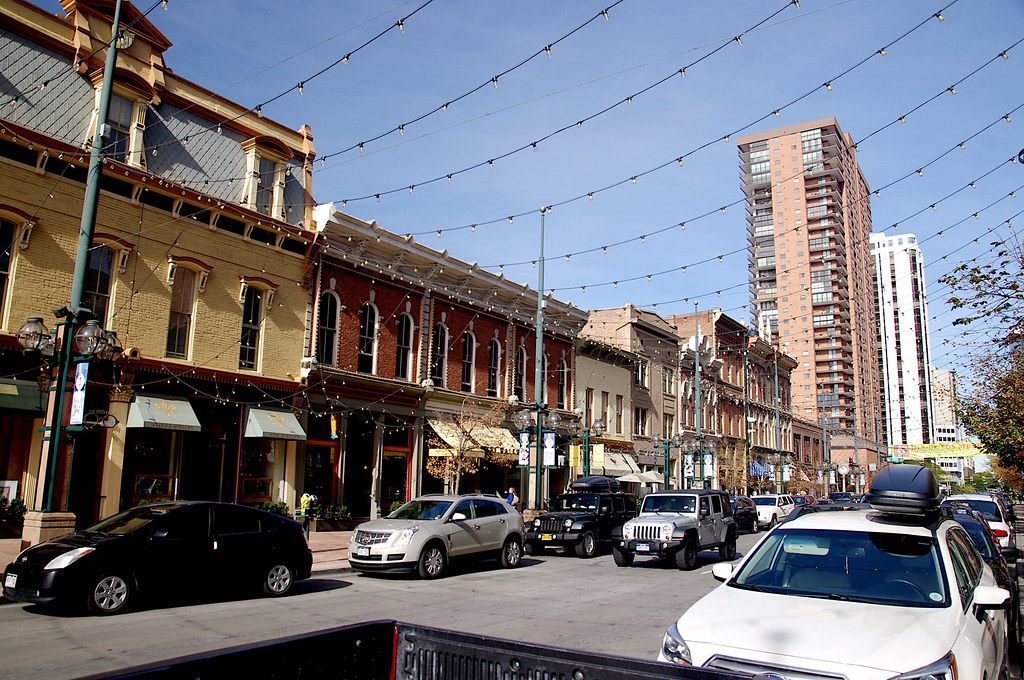
Downtown Gilbert commercial glazing helps shape one of the Valley’s busiest dining and shopping districts. Along Gilbert Road and through the Heritage District, restaurants, breweries, dessert shops, and boutiques compete for attention. Glass plays a starring role. It frames the dining room, opens patios to the street, and shows off merchandise. Yet glass in this district must also handle intense sun, heavy crowds, and strict safety rules. This guide explains how to plan glass for restaurant and retail renovations in downtown Gilbert.
Restaurant owners, retailers, designers, and landlords can use it to plan a renovation that looks great and works hard.
Why Glass Matters Downtown
Downtown Gilbert thrives on foot traffic and atmosphere. People stroll, look through windows, and pick a place that feels lively. Big windows and open patios draw them in. On the other hand, dark or dated glass can make a space feel closed. So downtown Gilbert commercial glazing directly affects sales.
Step 1: Set Your Goals
Start with what you want the glass to do. For example, a restaurant may want a wall that opens to the patio. A boutique may want display windows that pop at night. A brewery may want views into the brewhouse. Write these goals down. They guide every later decision.
Downtown Gilbert Commercial Glazing for Restaurants
Restaurants have unique glass needs:
- Operable walls such as folding or sliding systems that open to patios
- Large storefront windows that show diners and decor
- Sturdy entry doors that handle constant traffic
- Interior glass for wine rooms, kitchens, or private dining
Operable walls are popular, but they need careful planning. The track must drain, the threshold must stay accessible, and the header must carry the load. Also, choose systems that seal well against dust and heat.
Downtown Gilbert Commercial Glazing for Retail
Retail shops need glass that sells. So plan display windows with good sightlines and lighting. Clear glass keeps products visible. Laminated glass adds security and blocks UV rays that fade merchandise. In addition, think about window graphics and signs early, so they fit the glass layout.

Handling the Arizona Sun
Gilbert’s summers are long and hot. Untreated glass can turn a dining room into an oven by mid-afternoon. Therefore, consider:
- Insulated Low-E glass to reduce heat gain
- Exterior shade from awnings or canopies
- Light tints where views matter less
- Interior shades for west-facing walls
Together, these steps keep guests comfortable and lower cooling costs. The ENERGY STAR program offers guidance on efficient commercial buildings.
Safety Glass Rules
Codes require safety glass in doors, near doors, and in many low windows. In busy restaurants, this matters even more. People lean on glass, bump it with chairs, and push doors with full hands. Tempered or laminated glass protects them if something breaks. Your glazier will mark which panels need it.
Older Buildings in the Heritage District
Some downtown buildings are older. Their openings may be uneven, and their walls may hide surprises. So a careful site check comes first. In addition, design guidelines may shape frame colors and window patterns. Check with your landlord and the Town of Gilbert before choosing finishes.
Permits and Inspections
Most glass changes in a renovation need a permit from the Town of Gilbert. Plans usually show storefront layouts, glass types, doors, and any structural changes for large openings. Inspectors then confirm safety glass, hardware, and accessibility. Plan time for review in your schedule.
Scheduling Around Business Hours
Downtown Gilbert is busy every evening and weekend. So most restaurants schedule glass work for early mornings or closed days. In addition, coordinate sidewalk use with the town and neighbors. Large panels and folding wall systems may need lifts or extra crew, so plan access early.
Budgeting for Downtown Gilbert Commercial Glazing
Costs depend on your goals. Key factors include:
- Operable walls versus fixed storefront
- Glass size, type, and coatings
- Door styles and hardware
- Structural work for large openings
- Interior glass features
- After-hours installation
Our pricing guide shares typical ranges.
Downtown Gilbert Commercial Glazing for Patios
Patios are a big part of the downtown experience. For example, many restaurants seat more guests outside than inside during spring and fall. So the glass between the dining room and the patio matters. Folding walls open the whole room. Sliding doors save space. Meanwhile, large pivot doors make a bold statement. Each choice affects airflow, cooling, and how staff move food and drinks.
Patio glass also faces dust and monsoon storms. Therefore, choose systems with strong seals and good drainage. In addition, plan where staff will stack or park folding panels when open. As a result, the patio stays safe and easy to use. In short, smart downtown Gilbert commercial glazing turns a patio into a year-round asset.
Planning Around Events
Downtown Gilbert hosts farmers markets, festivals, and holiday events. During these times, streets close and parking disappears. Therefore, check the town’s event calendar before you schedule deliveries. Likewise, avoid big installs on weekends when crowds peak. In addition, tell neighbors about any sidewalk work. A little planning keeps your project and your neighbors happy.
Choosing a Glazier
Pick a glazier who has worked on restaurants and older buildings. Ask for photos and local references. Also ask how they handle tight sidewalks, night work, and large glass deliveries. A team that knows downtown Gilbert will keep your project smooth from start to finish.
Interior Glass Features
Glass is not only for the street. Inside, it can add drama and function. For instance, a glass wine room shows off bottles while keeping them cool. Likewise, a glass wall into the kitchen lets guests watch chefs at work. In breweries, glass walls often frame tanks and equipment. Each feature needs safety glass and careful framing. So plan these elements with your designer early.
Downtown Gilbert Commercial Glazing Maintenance
Busy glass needs regular care. Dust, fingerprints, and grease build up fast. So set a simple cleaning schedule. In addition, check door closers and pivots every few months, since heavy traffic wears them out. Likewise, inspect seals before monsoon season. Finally, keep a glazier’s number handy for quick repairs. Good upkeep keeps your downtown Gilbert commercial glazing looking sharp for years.
Common Mistakes to Avoid
- Choosing an operable wall without checking drainage and thresholds
- Skipping Low-E glass on west-facing walls
- Forgetting safety glass near doors and seating
- Ordering late and missing the opening date
- Ignoring design rules for older buildings
FAQ on Downtown Gilbert Commercial Glazing
Are folding glass walls worth it?
For many restaurants, yes. They expand seating and draw crowds on mild days. However, they cost more than fixed glass and need good drainage, sturdy tracks, and regular care. So weigh the extra seats and atmosphere against the price before you decide.
How long does downtown Gilbert commercial glazing take?
Ordering takes several weeks. Installation may take a few days to a week.
Do I need a permit?
Most renovations do. Check with the Town of Gilbert early, because review time can affect your opening date. Your general contractor or glazier can usually help prepare and submit the drawings.
Bring Your Space to Life
The right glass draws guests in and keeps them comfortable. Visit our tenant improvement glazing page, or share your renovation plans with us.