
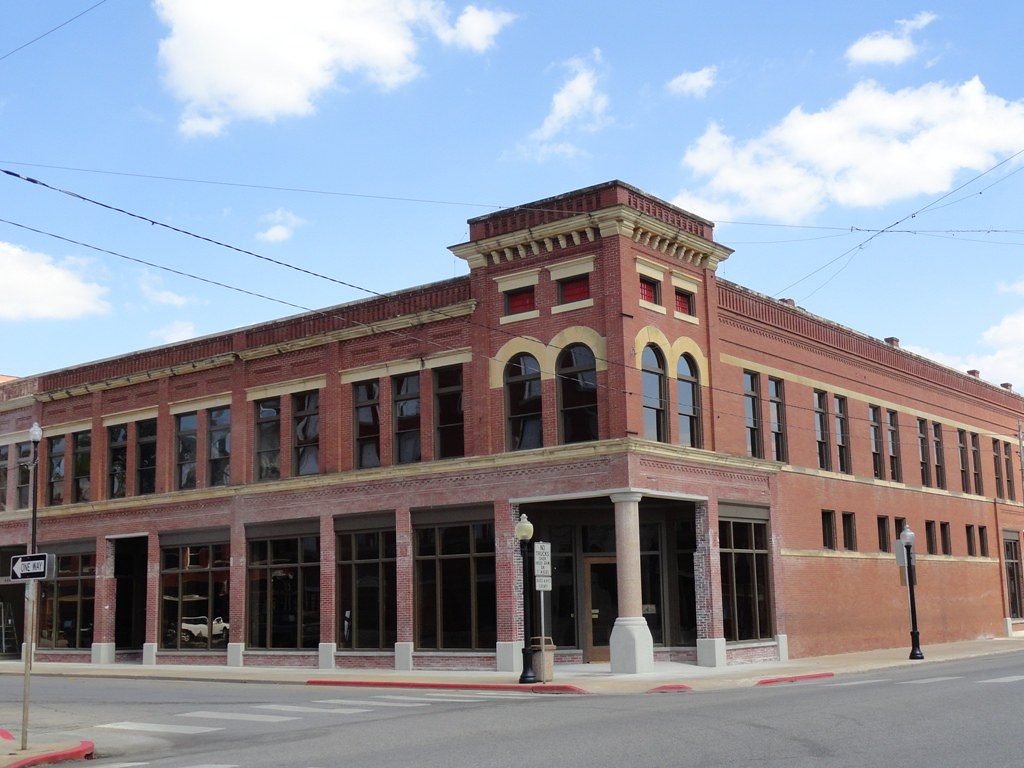
Downtown Chandler storefront glazing has a special job. The district around Dr. A.J. Chandler Park mixes historic brick buildings with newer infill, and its restaurants, boutiques, and coffee shops depend on street appeal. When a new tenant takes over an older space, the storefront often needs work. Frames may be worn, glass may be outdated, and doors may stick. Yet the update must respect the character that makes downtown special. This guide explains how to update storefront glazing in an existing tenant space, step by step.
Retail tenants, restaurant owners, and landlords in downtown Chandler can use it to plan a smooth, attractive update.
Why Downtown Chandler Storefronts Are Different
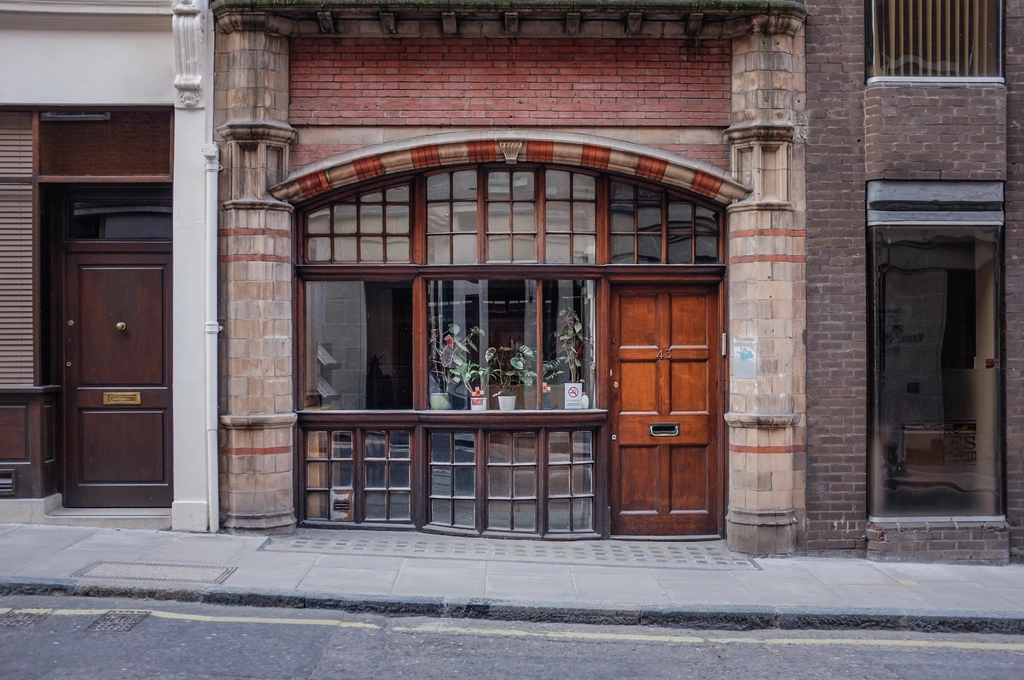
Downtown Chandler grew around a historic town square. Some storefronts date back many decades. Others were rebuilt more recently but still follow a classic look. As a result, storefront updates often involve older openings, unusual sizes, and design expectations from the city and landlords.
At the same time, today’s tenants want comfort, security, and energy savings. Good downtown Chandler storefront glazing blends both needs.
Step 1: Assess the Existing Storefront
First, have a glazier inspect the current storefront. They will check frames, glass, doors, seals, and anchors. They will also look for water stains, drafts, and rot in wood framing behind the storefront. In older buildings, the opening itself may be out of square.
Then the glazier will tell you what can stay. For example, solid frames may only need new glass and seals. On the other hand, corroded or bent frames may need replacing.
Step 2: Decide on Repair, Reglaze, or Replace
There are three main paths:
- Repair: Fix doors, seals, and small issues while keeping glass and frames.
- Reglaze: Keep frames but install new, better glass.
- Replace: Install a new storefront system in the existing opening.
Each path has different costs and timelines. A clear assessment helps you choose. Our post on replacing vs installing new explains the trade-offs.
Downtown Chandler Storefront Glazing and Historic Character
Many downtown buildings have a classic look. So new frames and glass should fit in. For instance, a dark bronze or black frame often suits brick facades. Divided transoms above doors can echo older designs. Meanwhile, clear glass keeps the street lively and lets shoppers see inside.
Check with your landlord and the city about any design guidelines before you choose finishes.
Glass Choices for Comfort and Security
Chandler summers are long and hot. So glass choice matters. Insulated Low-E glass reduces heat gain and glare. Laminated glass adds security and blocks most UV rays, which protects products in the window. Many tenants combine both for the best results.
Rating information from the NFRC helps compare how products handle heat and sunlight.
Doors and Entrances
Downtown doors take heavy use, especially at restaurants and coffee shops. So choose sturdy doors with quality closers and pivots. Make sure hardware meets accessibility rules. In addition, consider where outdoor seating and sidewalk traffic sit, so doors swing safely.
Step 3: Permits and Approvals
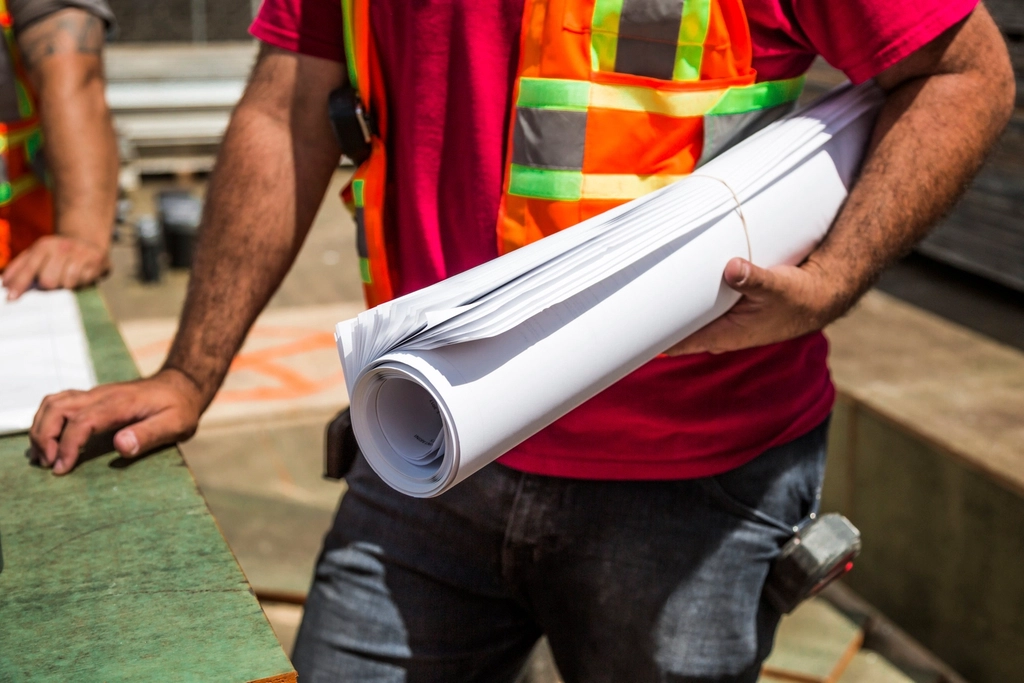
Chandler typically requires a permit for storefront changes. Plans typically show the new storefront, glass types, door hardware, and any structural changes. Some downtown projects may also need design review. The City of Chandler lists current steps.
Downtown Chandler Storefront Glazing Schedules
Downtown is busy. Events at the park, weekend crowds, and restaurant hours all affect timing. So plan deliveries and installation for quiet times, such as early weekday mornings. Glass and frames often take several weeks to arrive, so order early. On install day, crews can often complete a typical storefront in one to three days.
Keeping the Business Open
Many tenants want to keep selling during the update. Crews can work in sections, leaving one door open. Temporary panels can secure openings overnight. Clear signs help customers find the entrance. In addition, talk with neighbors about sidewalk use and noise.
Budgeting for Downtown Chandler Storefront Glazing
Costs depend on the path you choose and the size of the storefront. Key drivers include:
- Repair, reglaze, or full replacement
- Glass type and size
- Frame finish and system
- Door hardware
- Repairs to the opening
- Design review and permit fees
Our replacement and repair page explains common pricing.
Downtown Chandler Storefront Glazing for Restaurants
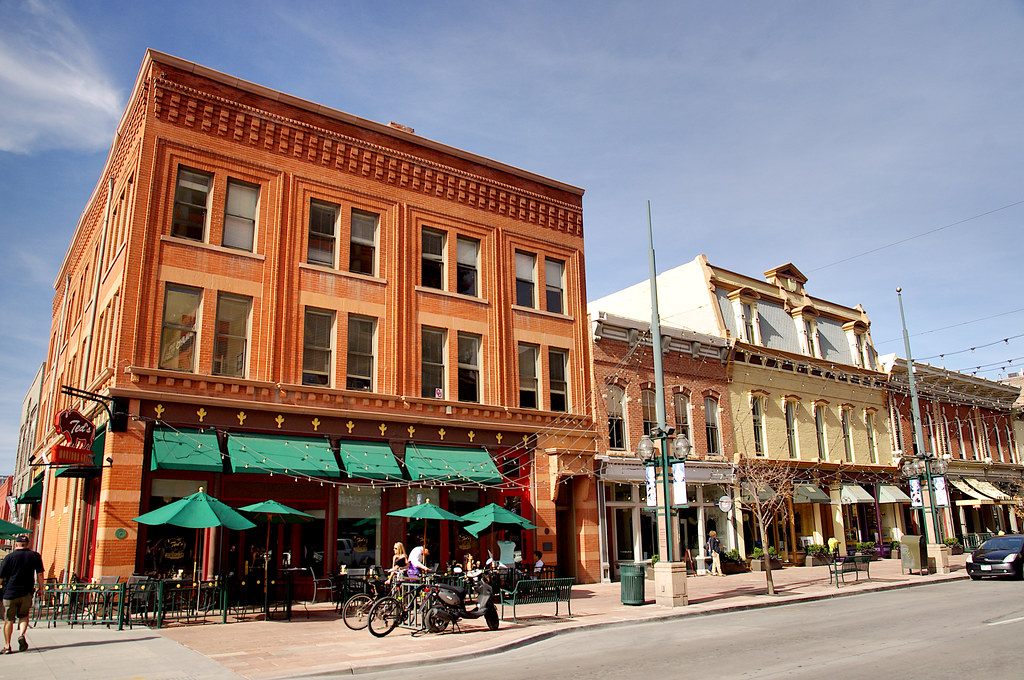
Restaurants fill much of downtown Chandler. So many storefront updates focus on dining spaces. For example, owners often want bigger windows to show off a lively room. Others want a door or folding wall that opens to a sidewalk patio. In addition, kitchen and bar areas may need glass that is easy to clean. Therefore, share your floor plan with your glazier early. That way, the storefront supports seating, service, and safe exits.
Restaurants also face grease, steam, and heavy door traffic. As a result, sturdy hardware and quality closers pay off quickly. Likewise, laminated glass near busy entries adds peace of mind. In short, downtown Chandler storefront glazing for a restaurant should look inviting and stand up to daily wear.
Signs, Graphics, and Lighting
Your storefront is also your billboard. So plan window graphics and signs with the glass. For instance, decide where hours, logos, and menus will go. Then make sure frames do not block them. Meanwhile, coordinate exterior lighting with your electrician. Well-lit glass looks welcoming at night, when the district fills with diners. Finally, check landlord and city rules for sign size and placement.
Working With Your Landlord
Your lease shapes the project. For example, some landlords pay for storefront repairs, while tenants pay for upgrades. Others require approved glaziers or set work hours. So read the work letter closely. Then share it with your glazier before they bid. In addition, ask the landlord for any past drawings of the storefront. These records often save time during measuring and design. As a result, your downtown Chandler storefront glazing project starts on solid ground.
Energy Savings Over Time
Upgrading old single-pane glass can cut cooling costs. In fact, many owners notice a cooler sales floor the first summer after a reglaze. Over a long lease, those savings add up. In addition, comfortable guests stay longer and spend more. So better glass often pays for itself in more ways than one.
Common Mistakes to Avoid
- Replacing good frames that only needed new glass
- Choosing finishes that clash with historic facades
- Skipping Low-E glass on sunny storefronts
- Scheduling work during big downtown events
- Forgetting accessible hardware at the entry
FAQ on Downtown Chandler Storefront Glazing
Can I keep my old storefront frames?
Often, yes, if they are solid and can hold the new glass. Your glazier will check for corrosion, bent pieces, and loose anchors first. If the frames pass, new glass and fresh seals can make an older storefront look and perform like new for far less money.
How long does downtown Chandler storefront glazing take?
Ordering takes several weeks. Installation usually takes one to three days, and crews can often finish before the lunch rush each day.
Do I need city approval?
Most storefront changes need a permit, and some need design review. Your glazier or general contractor can help you prepare the drawings and track approvals.
Refresh Your Storefront
A thoughtful update helps your downtown business shine. Visit our storefront installation page, or request a storefront assessment today.