
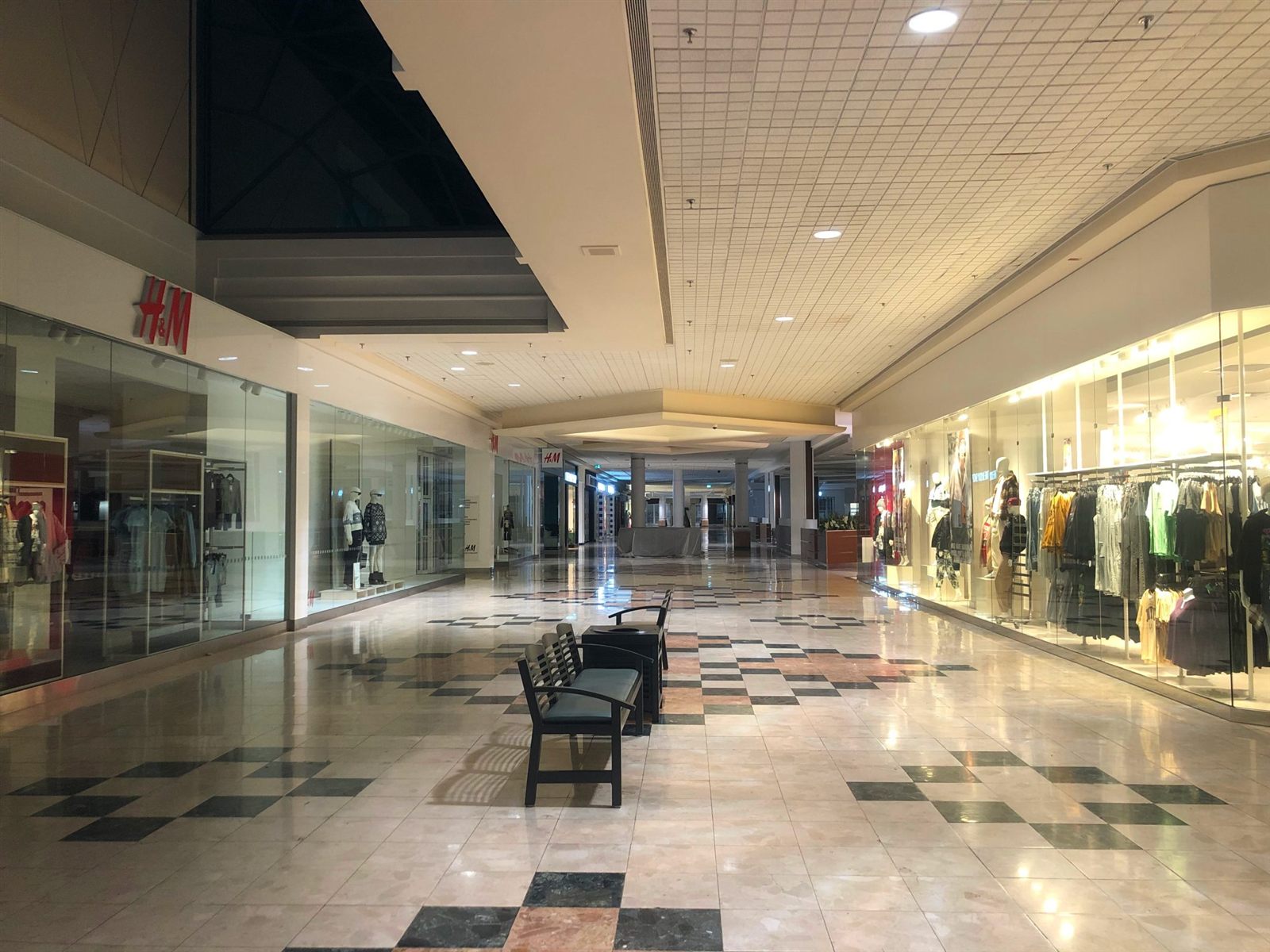
Studio City commercial glazing shapes the first thing shoppers see when they walk along Ventura Boulevard. This busy stretch of the San Fernando Valley is lined with boutiques, salons, coffee shops, fitness studios, and small restaurants. Many of these storefronts sit in buildings from the 1950s through the 1980s. So a fresh lease usually means the glass, doors, and entrances need real attention. This guide explains how to plan storefronts and entrances for a retail tenant improvement in Studio City.
Tenants, landlords, and general contractors can all use these steps to avoid delays and get a front that sells.
Why Storefronts Matter So Much Here
Ventura Boulevard is a street people drive slowly and walk often. In fact, many shoppers decide to stop based on a quick look through the glass. A clear, bright front with a clean entrance invites them in. In contrast, a foggy window or a sticky door sends them to the next shop. So the storefront is not just a wall. It is a sign, a display case, and a welcome mat all at once.
Studio City Commercial Glazing Starts With a Site Walk
Before any design work begins, tour the suite with a glazier and study the existing frames, glass, doors, and hardware. Check for signs of leaks, rust, or bent metal. Also, measure the openings and note any changes in the floor level at the door. This first visit shows what can stay and what must go. As a result, your budget starts from facts instead of guesses.
Common Storefront Types on Ventura Boulevard
Most fronts here use aluminum storefront framing with glass panels and a single or pair of glass doors. Some older buildings still have steel frames or wood trim. Meanwhile, newer mixed-use projects may use taller systems with transoms above the doors. Each type affects cost and lead time. For example, matching an old frame color can take longer than choosing a standard finish.
Planning Studio City Commercial Glazing for Retail Displays
Retail tenants want as much clear glass as possible for window displays. Large panels with thin frames show off products and let daylight in. However, bigger glass weighs more and costs more. So talk with your glazier about panel sizes that fit standard stock. Also, plan where display lighting, shelves, and signs will sit. That way, nothing blocks the view from the sidewalk.
Choosing the Right Glass
California’s energy code limits how much heat and sunlight can pass through new glass. In the Valley, summer sun is strong, especially on west-facing fronts. So most retail glass uses a low-E coating that blocks heat while staying clear. In addition, tempered or laminated safety glass is needed in doors and in panels near the floor. Your glazier can explain which glass meets code and still looks great. The California Energy Commission publishes the current building standards.

Studio City Commercial Glazing for Entrances
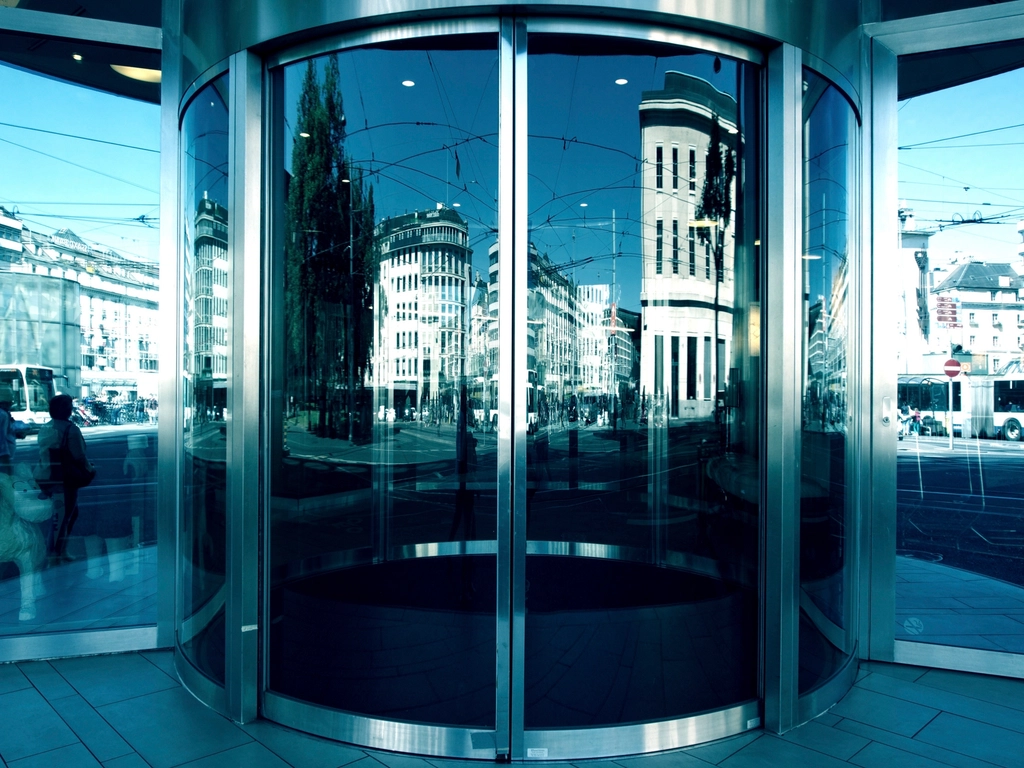
The door is the hardest-working part of the front. It opens and closes hundreds of times a day. So pick doors and hardware built for heavy traffic. Medium or wide stile aluminum doors hold up better than narrow ones. Also, quality closers, pivots, and push bars last longer and need fewer repairs. A solid entrance pays for itself over the life of a lease.
Accessibility at the Door
Every new or altered entrance must meet accessibility rules. That covers door width, threshold height, opening force, and clear floor space on both sides. In addition, handles and pulls should work with a loose fist. Older Studio City shops often have a step or a steep slope at the door. Fixing these issues may require ramp work along with the new glass. The ADA website explains the basic federal rules.
Studio City Commercial Glazing and Security
Retail tenants worry about break-ins, yet they still want an open look. Fortunately, several options help. Laminated glass holds together when struck, which slows down intruders. Also, stronger locks, concealed rods, and interior roll-down grilles add protection. Some tenants add security film to existing glass. Each choice balances safety, cost, and appearance, so good Studio City commercial glazing weighs all three.
Transoms, Canopies, and Signs
The area above the door often holds signs, transom glass, or a canopy. So plan these pieces together. For example, sign brackets need solid backing, and canopies may need their own permit. In addition, transom glass can bring more daylight deep into a narrow shop. Coordinating these items early keeps the front looking clean and avoids drilling through new frames later.
Studio City Commercial Glazing and Permits
Most storefront changes in the City of Los Angeles need a building permit. Replacing glass in kind may need less review, while new openings or new door locations need more. In addition, energy and accessibility forms often go with the plans. A glazier familiar with LA plan review can keep things moving. The Los Angeles City Planning site also explains zoning and design rules for commercial streets.
Working With Landlord Rules
Many Studio City buildings have landlord design standards. These rules may set frame colors, sign sizes, and door styles. So read your lease and any tenant criteria before ordering glass. Also, get landlord approval on drawings in writing. That simple step prevents costly changes once the frames arrive.
Scheduling Studio City Commercial Glazing
Storefront materials are often made to order. Aluminum framing, special finishes, and large tempered panels can take several weeks. Therefore, order early, ideally right after drawings are approved. In addition, plan the install around other trades. Framing, electrical, and stucco work around the opening should finish first. That way, the glass goes in once and stays clean.
Keeping the Shop Secure During Construction
Once old glass comes out, the space is open to the street. So plan for temporary plywood or a quick install day. Many glaziers remove and replace in the same visit to limit exposure. Also, ask about after-hours work if neighbors stay open. Good planning keeps the site safe and the block happy.
Budgeting Studio City Commercial Glazing
Your price will reflect opening sizes, glass makeup, frame color, door hardware, and job site conditions. For example, reusing sound frames and only swapping glass costs far less than a full new system. However, old frames that leak or fail code may not be worth saving. Our guide to glazing costs per square foot offers helpful ranges for planning.
Maintenance After Opening
A new front stays sharp with simple care. Clean glass and frames often, and check door closers every few months. Also, keep weep holes at the bottom of frames clear so water can drain. Small fixes, like adjusting a door that drags, prevent bigger repairs later. As a result, the storefront keeps inviting customers for years.
Retail Storefront Checklist
- Walk the site and inspect frames, glass, and doors
- Choose clear, energy-code glass for displays
- Pick heavy-duty doors and hardware
- Meet accessibility rules at the entrance
- Plan security, signs, and canopies together
- Get landlord approval and city permits
- Order materials early and sequence trades
Build a Front That Draws Shoppers In
Smart Studio City commercial glazing gives retail tenants a bright, secure, and welcoming storefront on one of the Valley’s busiest streets. With early planning, the right glass, and a licensed glazier, your build-out can stay on time and on budget. To learn more, visit our storefront glass installation page or contact our team.