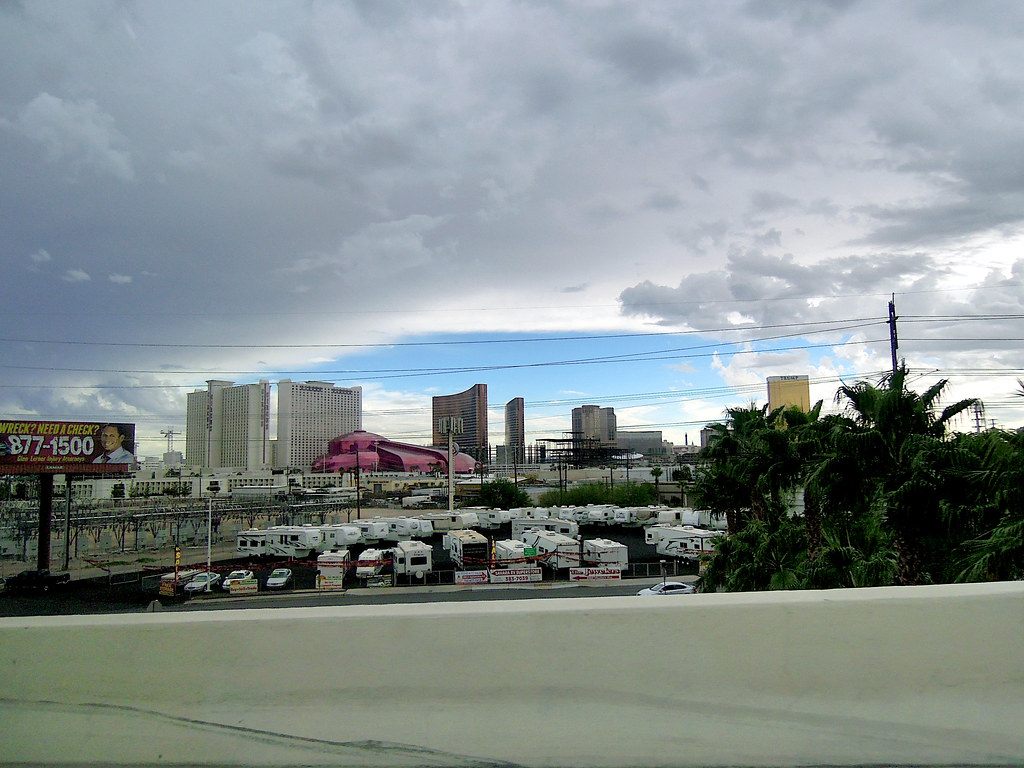
Lone Mountain window replacement for a storefront usually comes down to one big question: do you replace just the glass, or the whole system? The Lone Mountain area of northwest Las Vegas has many shopping centers and small office buildings built in the 1990s and 2000s. By now, a lot of those storefronts show their age through foggy units, faded frames, and drafty doors. This guide compares glass-only and full-system options so owners and tenants can choose with confidence.
We cover what each option includes, what it costs, and how to tell which one your storefront needs.
What a Storefront System Includes
A storefront is more than glass. It is a full system made of several parts that work together:
- Aluminum frames, including head, sill, jambs, and mullions
- Glass, which may be single panes or insulated units
- Gaskets and glazing tape that hold the glass in place
- Perimeter sealant that keeps water and air out
- Entry doors, hinges or pivots, closers, and locks
When one part fails, the others may still be fine. That is why both repair paths exist.
Glass-Only Lone Mountain Window Replacement
A glass-only job leaves the frames in place and changes out the panes. First the crew pulls the stops or gaskets, then lifts out each old pane, and finally sets new units in the same openings. This works well when frames are straight, solid, and sealed properly. It is also faster and less disruptive. In many cases, the store can stay open while crews work one opening at a time.
When Glass-Only Makes Sense
Choose glass-only replacement when:
- A few units are cracked, broken, or fogged
- Frames have no major dents, corrosion, or leaks
- The current layout still fits the tenant’s needs
- The budget is tight or the timeline is short
For example, a sandwich shop with two fogged units and solid frames is a classic glass-only job.
Full-System Lone Mountain Window Replacement
Full-system replacement removes the old frames and glass together and installs a new storefront. This option costs more and takes longer. However, it solves problems that new glass alone cannot fix, such as frame leaks, air drafts, warped openings, and outdated layouts. It also lets you upgrade to thermally broken frames, which perform much better in the Las Vegas heat.

Signs the Frames Need Replacing
Watch for these warning signs during an inspection:
- Water stains or damage at the sill after rain
- Visible gaps between frames and the building
- Frames that are bent from impact or settling
- Pitted, chalky, or peeling finish
- Doors that will not stay aligned even after adjustment
If several of these appear, new glass alone may only hide a bigger problem.
Lone Mountain Window Replacement Costs
Glass-only replacement is usually the lower-cost choice per opening. Still, cost per opening is only part of the picture. If the frames are near the end of their life, you may pay for new glass now and new frames in a few years. That can cost more in total than doing the full system once. So ask your glazing contractor for pricing on both paths, plus an honest view of how many years the existing frames have left.
Energy Performance in the Desert
Older storefronts often use non-thermal frames that conduct heat straight into the building. Even with good glass, those frames can make the front of a store uncomfortable in summer. Full-system Lone Mountain window replacement allows thermally broken frames, low-E insulated glass, and tighter seals. As a result, cooling costs often drop and the space feels more comfortable. The National Fenestration Rating Council publishes rating details you can compare.
Lone Mountain Window Replacement Timing
Glass-only work can often happen in a day or two with minimal closure. Full-system replacement takes longer, since crews remove frames and secure the opening before setting the new system. Even so, a good contractor will phase the work so the business stays as open as possible. For instance, crews may replace one side of the storefront at a time and use temporary panels overnight.
Lone Mountain Window Replacement and Entry Doors
Doors take the most abuse of any part of a storefront. They open hundreds of times a day, slam in the wind, and carry heavy hardware. So even when the windows only need new glass, the entry may need more. For instance, a door with a worn pivot and a cracked rail is often cheaper to replace than to keep fixing. In a Lone Mountain window replacement project, it makes sense to price the doors separately. That way, you can decide on each part based on its own condition.
Hybrid Options
You do not always have to choose one path for the whole storefront. A hybrid approach is common. For example, a crew might replace the entry and one damaged bay as a full system, then reglaze the rest with new insulated units. This approach spends money where the problems are worst. Later, when the lease turns over or the budget allows, the remaining bays can be upgraded to match.
Matching the Look of the Center
Many shopping centers have rules about frame color and glass tint. Before ordering, ask the landlord for the center’s storefront standards. New frames should match the neighbors, and new glass should not look out of place. A good glazier will bring samples so everyone can approve the look first.
Permits and Jurisdiction
Lone Mountain spans parts of the City of Las Vegas and unincorporated Clark County. So the first step is confirming which agency covers your address. Like-for-like glass replacement often needs little review, while full-system changes usually require a permit. The Clark County website lists building department contacts for unincorporated areas.
Safety Glass Rules
Building codes treat certain spots as hazardous, such as door lites and panes that sit low to the ground. Those spots usually call for tempered or laminated safety glass. Older storefronts sometimes have panes that would not meet current rules. So when you replace glass in these spots, the new units must be the right safety type. Your glazier will check each location and mark the order correctly. This protects customers and avoids failed inspections.
Questions to Ask Your Glazier
- Are the existing frames worth keeping?
- What will each option cost, including doors?
- How long will the business be affected?
- What energy upgrades are possible with each path?
- What warranty covers the work?
A Practical Way to Decide
Start with an inspection by a commercial glazier. Then compare both quotes side by side, including expected life and energy savings. If frames are sound and the layout works, glass-only is often the smart move. If frames leak, drafts are obvious, or a new tenant needs a different layout, full-system replacement usually pays off. Our article on replacement versus new installation offers more background.
Lone Mountain Window Replacement FAQ
Can I upgrade glass without changing frames?
Yes, if the frames can hold the thicker insulated units. Your contractor will check pocket depth first.
Is full replacement worth it for a short lease?
Usually not, unless the landlord shares the cost or the frames are failing.
How fast can a broken pane be replaced?
Clear glass can often be replaced within days, while special units take longer.
Plan Your Storefront Upgrade
The right Lone Mountain window replacement depends on the condition of the whole system, not just the glass. For an on-site assessment, see our commercial glass replacement services or reach out to our team.