

Bay Area commercial glazing brings its own mix of challenges. Strict energy rules, earthquake risk, historic storefronts, and tight urban job sites all shape how glass gets designed and installed. From San Francisco and Oakland to San Jose and the Peninsula, owners need glaziers who understand these local demands. This guide explains how storefront projects and building renovations work across the San Francisco Bay Area.
Whether you manage an office tower, own a retail building, or lease space in a mixed-use project, these tips will help you plan a smoother glass job.
What Makes the Bay Area Different
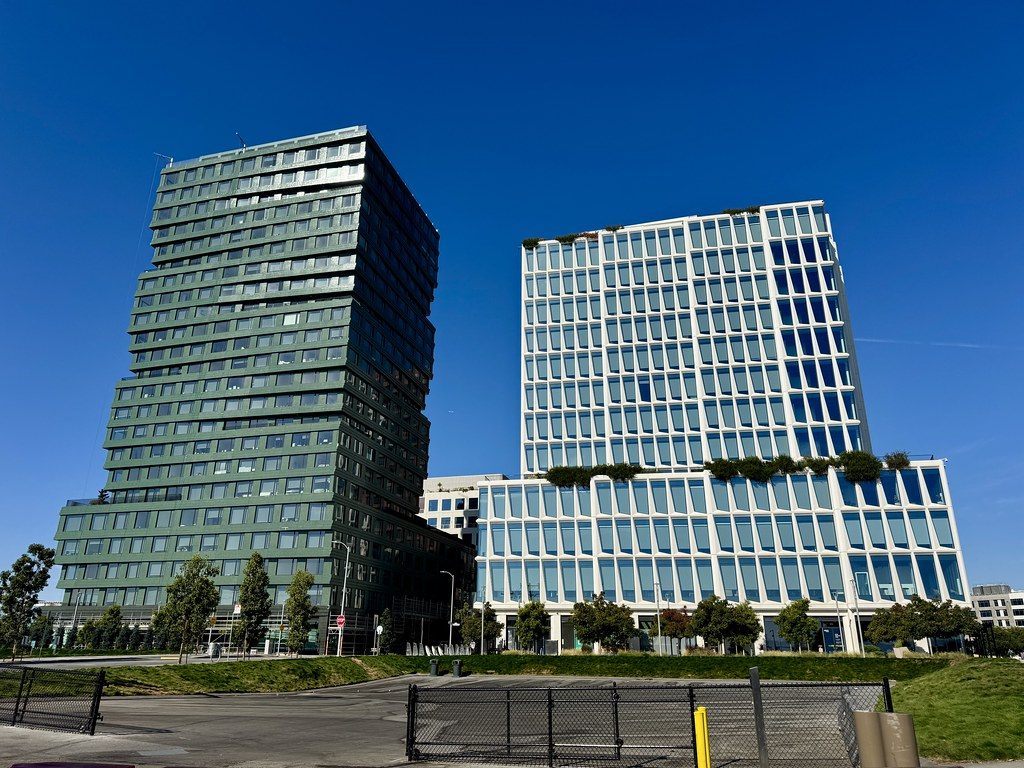
The Bay Area packs a lot into a small space, which shapes every Bay Area commercial glazing job. Dense downtowns, older buildings, and steep streets make access tricky. In addition, California has some of the strictest building and energy codes in the country. And the region sits on active faults, so seismic design is always part of the conversation.
On top of that, the climate varies from foggy coastal areas to warm inland valleys. As a result, glass choices that work in San Francisco may differ from those in San Jose or Walnut Creek.
Title 24 Rules for Bay Area Commercial Glazing
California’s energy code, known as Title 24, Part 6, sets limits on how much heat glass and frames can pass. It also limits solar heat gain. The California Energy Commission publishes these standards and updates them on a regular cycle.
For Bay Area commercial glazing, this usually means:
- Thermally broken aluminum frames
- Low-E insulated glass units
- Rated performance data for the full assembly
- Compliance forms submitted with the permit
Replacing a storefront or curtain wall often triggers these rules. So plan for energy compliance from the start of any renovation.
Seismic Design in Bay Area Commercial Glazing
Of course, earthquakes are a fact of life here. During a quake, buildings sway and floors shift relative to each other. Glass systems must handle that movement without falling out or shattering dangerously.
To manage this, engineers design frames and anchors that allow movement. They also check glass clearances, so panes do not hit the frame edges when the building moves. Many projects use laminated glass in key areas because it holds together when broken.
Older buildings may also go through seismic retrofits. When that happens, the facade often gets new glass and frames as part of the work.
Bay Area Commercial Glazing for Storefronts
In fact, storefronts line the shopping streets of every Bay Area city. Many sit in older buildings with wood or steel frames from decades ago. Replacing them takes care.
Typical storefront work includes:
- New aluminum storefront systems with insulated glass
- Accessible entrances with proper thresholds and hardware
- Security glass and stronger door frames
- Repairs to old frames in historic buildings
- Glass replacement after damage or break-ins
Retailers also want fronts that showcase products and brand. Clear, low-iron glass and slim frames help create a modern look. For more ideas, see our storefront installation page.
Historic Buildings and Design Review
Many Bay Area neighborhoods have historic districts. In these areas, storefront changes may need design review. Reviewers often want new work to respect the original look, including frame profiles, transoms, and kick plates.
This affects material choices. For example, a historic front may call for custom frames or wood-look finishes. In addition, some projects restore original features rather than replacing them. Plan extra time for review and approvals.
Permits and Inspections
For Bay Area commercial glazing, each city runs its own permit office. In San Francisco, the Department of Building Inspection handles building permits, while planning review may apply for exterior changes. Oakland, San Jose, and other cities follow their own processes.
Storefront and facade work usually needs plan review for energy, structural, and accessibility rules. Because review times vary, start early and submit complete documents.
Licensing in California
California requires contractors to hold a license from the Contractors State License Board. Glazing contractors commonly hold a specialty glazing classification. Before hiring, check that the license is active and matches the work.
Working on Tight Urban Sites
Bay Area job sites can be very tight. Many buildings sit right on the sidewalk with no room for staging. Streets may be steep or busy. So logistics take careful planning.
Crews often need street-use permits for lifts and cranes. They may schedule deliveries early in the morning to avoid traffic. In addition, they protect sidewalks and keep pedestrians safe with barriers and signs. Good planning keeps the work moving and the neighbors happy.
Coastal Conditions and Durability
Near the water, fog and salty air can speed corrosion. Therefore, frame finishes, fasteners, and hardware should resist moisture and salt. High-quality anodized or painted finishes last longer in these conditions.
Wind is another factor, especially on exposed hills and waterfront sites. Engineers size glass and frames for local wind loads.
Building Renovations and Recladding
Meanwhile, many older office buildings in the Bay Area are getting new facades. Recladding improves energy use, comfort, and appearance. It can also raise property value and attract tenants.
These projects often happen while tenants stay in place. So crews work floor by floor, protect interiors, and limit noise. In many cases, they install new curtain wall or window wall over or in place of old systems. Learn more on our curtain wall page.
Security Glass for City Storefronts
Break-ins are a real worry for many Bay Area shops. Smashed glass costs money and closes doors. So more owners now ask for stronger fronts.
Laminated glass is the most common upgrade. When struck, it cracks but stays in the frame. As a result, a thief cannot get in quickly. Security film is a lower-cost option for existing glass. In addition, stronger door frames and better locks add another layer of protection.
Talk with your glazier about your risk level. A corner store on a busy street may need more than an office lobby. In short, match the glass to the threat.
Glass Inside Bay Area Offices
Bay Area offices love daylight and open plans. Glass partitions, conference rooms, and office fronts help make that happen. They also let tech firms show off a modern, open culture.
However, sound control matters too. Laminated or double glass in meeting rooms keeps talks private. Frosted film adds privacy where needed. For more on this, see our glass partitions page.
Choosing a Bay Area Commercial Glazing Contractor
Bay Area commercial glazing takes a team that knows the local rules. So look for recent work in your city. Ask about Title 24 forms, seismic details, and street-use permits. Also, call references and ask how the crew handled tight sites.
Finally, check that the bid lists every item. Energy forms, engineering, and permits should all be clear. That way, the price you sign is the price you pay.
FAQ on Bay Area Commercial Glazing
Does replacing a storefront trigger Title 24?
Often, yes. Full replacements usually must meet current energy rules.
Can Bay Area commercial glazing work happen while my business is open?
Yes. Crews can phase the work and install temporary protection.
Plan Your Bay Area Glass Project
Glass work in the Bay Area takes local know-how, careful engineering, and solid planning. We support owners and builders across the region. Visit our Bay Area glazing page or contact our team to discuss your project.