
Las Vegas storefront glass has to work harder than glass in most cities. It faces extreme desert heat, intense sun, blowing dust, and businesses that never close. At the same time, it must look sharp enough to compete in one of the most visual commercial markets in the country. This guide covers storefront installation and tenant improvement glazing in Las Vegas, from glass choices to permits and scheduling.
Whether you are opening a shop near the Strip, a clinic in Henderson, or an office in Summerlin, these tips will help you plan a front that performs.
Why Las Vegas Is a Unique Glass Market
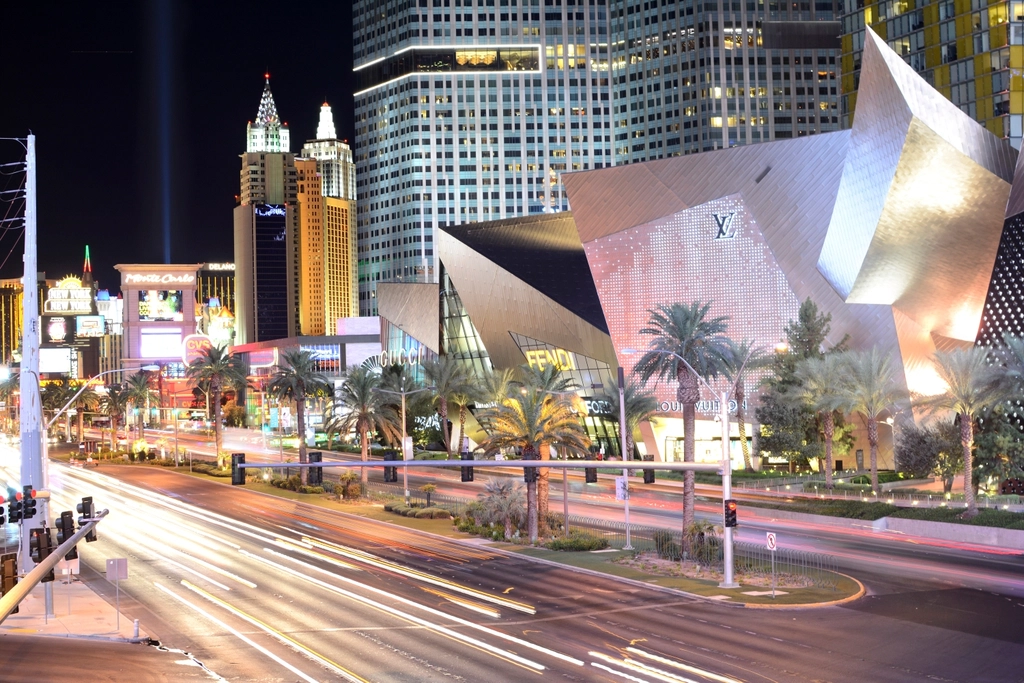
Las Vegas combines tourism, gaming, retail, dining, and a fast-growing local economy. As a result, the commercial building stock ranges from resort corridors to neighborhood strip centers and new suburban offices.
Of course, each setting has its own needs. Resort-area retail demands bold design and heavy traffic durability. Neighborhood centers focus on cost and speed. Medical and office tenants want comfort, privacy, and energy savings. Yet all of them share one challenge: the desert climate.
Heat, Sun, and Las Vegas Storefront Glass
Summer highs in Las Vegas often climb well above 100 degrees, sometimes past 110. As a result, sun hits west- and south-facing fronts hard. Without the right glass, a storefront can turn a showroom into an oven and drive up cooling bills.
Smart choices include:
- Low-E insulated glass with a low solar heat gain number
- Spectrally selective coatings that admit light but block heat
- Thermally broken frames to limit heat flow through aluminum
- Light frame finishes that absorb less heat
- Awnings or canopies on the sunniest faces
Thermal stress is another concern. Glass that is partly shaded and partly in sun can crack from uneven heating. Heat-strengthened or tempered glass reduces that risk.
Dust, Wind, and Durability
In addition, desert wind carries dust and grit. It coats glass, wears door seals, and clogs sliding tracks. So storefronts in Las Vegas need durable gaskets, solid weatherstripping, and hardware that resists grit.
Likewise, maintenance matters. Regular glass cleaning, track cleaning, and closer adjustments keep doors working well. In addition, inspect sealant joints yearly, because UV exposure ages sealants faster in the desert.
Tenant Improvement Glazing in Las Vegas
In most cases, new businesses move into leased space. That means a tenant improvement, or TI, with its own glass scope. Typical Las Vegas storefront glass work in a TI includes:
- New or modified exterior storefronts
- Entrance doors with panic hardware and access control
- Interior glass office fronts and partitions
- Glass display cases and feature walls
- Mirrors and glass in restrooms
Landlords often set storefront rules. These may cover frame color, sign zones, and door style. Follow the landlord’s criteria from the start to avoid redesign. For general TI guidance, see our tenant improvement glazing page.
Businesses That Never Close
Many Las Vegas businesses run around the clock. Casinos, convenience stores, restaurants, and gyms may never lock their doors. So storefront work must happen without shutting them down.
Experienced crews handle this in several ways. First, they work in phases, one opening at a time. Next, crews install temporary walls or panels to keep spaces secure. Also, they schedule loud or disruptive work for the slowest hours. As a result, customers can keep coming in while the new front goes up.
Permits and Inspections
For Las Vegas storefront glass, permits depend on where your building sits. Projects in unincorporated areas, including much of the Strip corridor, fall under Clark County. Projects inside city limits go through the City of Las Vegas, Henderson, or North Las Vegas.
Storefront work usually needs plan review for energy code, safety glazing, and accessible entrances. Fire review may apply if doors are part of exit paths. Because each jurisdiction runs its own process, local experience saves time.
Licensing in Nevada
In Nevada, contractors need a license issued by the Nevada State Contractors Board. Before hiring, check that your glazier’s license is active and covers the work. Also, ask for proof of insurance.
Security for Las Vegas Storefront Glass
Unfortunately, retailers in busy areas face theft and vandalism risks. Glass can be part of the security plan. Options include laminated glass that holds together when struck, security film, stronger door frames, and multi-point locks.
So choose the level of protection that fits your risk and budget. A jewelry store needs more than a coffee shop. Your glazier can help you match the glass to your needs.
Design Ideas That Stand Out
Las Vegas is a city of bold design. Even small shops want to catch the eye. Glass helps you do that. For example, tall clear glass shows off your products day and night. Meanwhile, bright interior lighting makes the store glow after dark.
Other ideas include back-painted glass panels in brand colors, etched logos on doors, and frameless glass entries for a high-end feel. Some tenants add glass canopies to shade the entry. Each option changes the cost and lead time, so talk with your glazier early.
Las Vegas Storefront Glass for Restaurants and Bars
Restaurants and bars use glass in special ways. Many want a front that opens to a patio. Folding or sliding glass walls do this well. When closed, they keep out heat and dust. When open, they invite guests inside.
These systems need strong headers, level floors, and good seals. They also need regular cleaning, since dust can stiffen the tracks. With good care, though, they last for years and pay off in extra seating.
Working With Landlords and Centers
Most shopping centers have a property manager. They control work hours, deliveries, and parking for crews. So reach out early. Ask for the tenant handbook and the storefront criteria. Then share your schedule.
Good relations with the center help a lot. For instance, a friendly manager may allow a staging area or after-hours access. In short, a quick call at the start can save days later.
Scheduling Your Project
Lead times for storefront glass and hardware can run several weeks. So order as soon as the design and landlord approvals are in. In addition, plan summer work around the heat. Many crews start before sunrise and finish heavy work by early afternoon.
A typical sequence looks like this:
- Confirm landlord criteria and design.
- Submit for permits.
- Order glass, frames, and hardware.
- Install temporary protection.
- Field measure, install, and seal.
- Pass inspection and open.
Energy Savings From Las Vegas Storefront Glass
Cooling is one of the biggest costs for any Las Vegas business. Glass plays a large role in that bill. Old single-pane fronts let in huge amounts of heat. By contrast, modern low-E insulated glass blocks much of it.
Upgrading your storefront can cut cooling loads and improve comfort near the windows. In addition, staff and customers feel less glare. Over the years, those savings add up and help pay for the new glass.
FAQ on Las Vegas Storefront Glass
What glass is best for Las Vegas storefront glass?
Low-E insulated glass with a low solar heat gain number is a strong default. Add laminated glass where security matters.
Can storefront work happen at night?
Yes. Many Las Vegas projects use night shifts to keep businesses open.
Plan Your Las Vegas Storefront
A well-designed storefront helps your business stand out and stay comfortable in the desert. We support tenants, landlords, and builders across the Las Vegas Valley. Visit our Las Vegas glazing page or contact our team to start planning.