

Commercial glazing services cover far more than putting glass in a frame. On a typical project, the glazier designs, engineers, builds, installs, and tests a whole family of glass systems. For general contractors and tenant improvement teams, knowing what that scope includes helps you write better bid packages and avoid gaps between trades.
This guide breaks down the services you can expect, how they fit into a GC-led job, and how they change on a tenant build-out. In addition, we share tips for keeping the glass scope on time and on budget.
What Commercial Glazing Services Include
Most glazing firms offer a core set of services. Some handle all of them, while others focus on a few. Here is the full menu you may see on a commercial job:
- Exterior storefronts at street level, including entrances
- Curtain wall and window wall for mid-rise and high-rise facades
- Punched windows set into masonry or panel walls
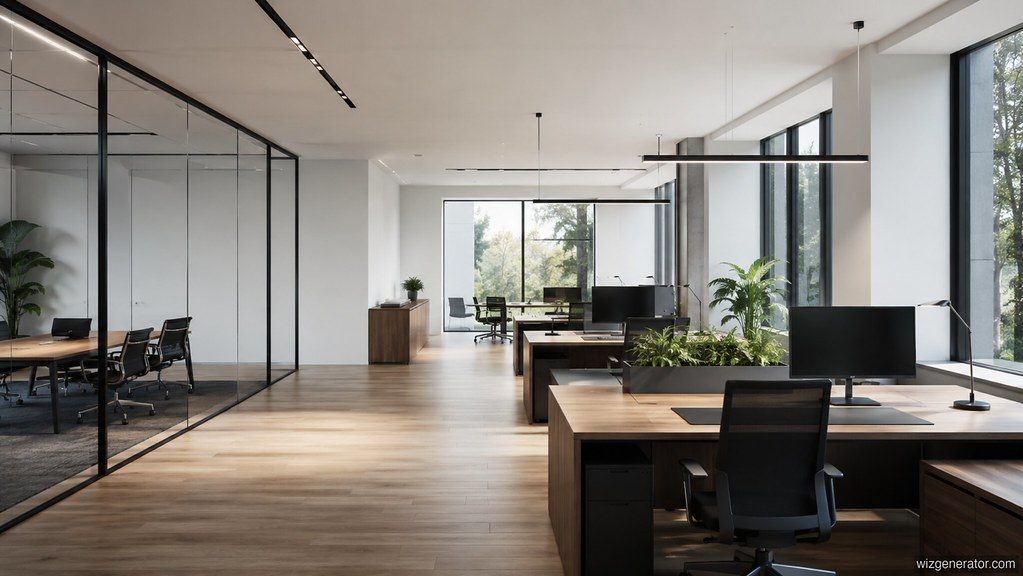
- Interior glass partitions for offices and conference rooms
- All-glass doors and frameless entrances
- Skylights and canopies
- Mirrors, shower glass, and specialty glass
- Fire-rated glass for rated corridors and stairs
- Repair and replacement of broken or failed units
Beyond installation, many firms also provide design assistance, engineering, shop drawings, and field testing. These support services are often what separate a smooth job from a painful one.
Commercial Glazing Services on GC-Led Projects
On a new building, the glazier usually works as a subcontractor to the general contractor. Therefore, the GC sets the schedule, controls access, and manages coordination. The glazier, in turn, delivers a complete, tested envelope package.
For the GC, the biggest risks are scope gaps and late deliveries. For example, who installs the steel that supports a tall storefront? Who provides perimeter flashing? Who seals the joint between the glass and the cladding? If the bid package does not answer these questions, someone will argue about them later.
To prevent that, define every interface in writing. Then confirm it in the preconstruction meeting. Our Division 08 glazing services page explains how we handle these handoffs.
How Tenant Improvement Projects Differ
Tenant improvement work runs on a different rhythm. The building already exists, and other tenants are often open for business. As a result, crews work around noise rules, elevator schedules, and limited loading dock time.
On these jobs, commercial glazing services lean toward interior work. Typical TI scopes include:
- Glass office fronts and sidelights
- Full-height partitions for conference rooms
- Interior storefronts at suite entries
- Glass doors with card readers
- Mirrors and glass in restrooms and break rooms
Schedules are tight, too. Many TI projects need the glass installed in the last few weeks, after drywall and paint but before flooring is finished. So ordering early is essential. Learn more about how we approach tenant improvement build-outs.

Design Assistance and Value Engineering
Good glaziers do not wait for final drawings. Instead, they join the team early and help shape the design. They suggest frame systems that meet the look at a lower cost. They also flag details that may leak or fail.
Value engineering does not mean cutting quality. Rather, it means finding smarter ways to hit the same goal. For instance, switching from a custom frame to a standard system can save weeks of lead time without changing the look much.
Engineering, Shop Drawings, and Submittals
Next, the glazier turns the design into buildable details. Shop drawings show every frame, anchor, and glass type. Meanwhile, calculations prove the system can handle wind and dead loads.
The architect reviews these documents before fabrication. For GCs, the key is speed. Push the submittal early, track comments, and keep the review moving. A slow approval is one of the most common reasons glass arrives late.
Installation and Site Coordination
On site, commercial glazing services depend on access and sequence. The glazier needs clear openings, a staging area, and lifts or hoists. They also need the wall substrate and air barrier ready before they start.
Weekly coordination meetings help a lot. During these meetings, the GC and glazier review progress, confirm upcoming areas, and solve conflicts with other trades. Small issues get fixed before they turn into delays.
Testing, Punch Lists, and Closeout
After installation, many projects require a field water test. A technician sprays the glass at a set rate while someone checks for leaks inside. Standards from groups like ASTM International set the procedures.
Then comes the punch list. The glazier fixes scratches, adjusts doors, and cleans the glass. Finally, they hand over warranties, maintenance guides, and as-built drawings. A clean closeout makes the owner’s life easier for years.

Specialty Glass and Repair Work
Some projects need more than standard glass. For instance, hospitals may need lead-lined or privacy glass. Banks and schools may want security glazing. Stairs and corridors often call for fire-rated glass and frames.
Specialty units carry longer lead times and tighter testing rules. Therefore, flag them early in the bid package. Also, confirm that your glazier has installed the exact product before. Fire-rated assemblies, in particular, must match their tested listing to pass inspection.
Repair work is another part of commercial glazing services that GCs and property managers rely on. During construction, glass sometimes breaks from impact or thermal stress. After turnover, seals fail and doors wear out. A glazier who offers repair and replacement can respond fast and keep the building secure.
Budgeting for the Glass Scope
Glass is often one of the larger trade packages on a commercial job. So early budget numbers matter. To get useful pricing, share the elevations, the wall types, and any performance targets. Even rough drawings help a glazier give a realistic range.
Several factors move the number. Large lites, custom finishes, high wind zones, and tight schedules all add cost. On the other hand, standard frame systems and repeated unit sizes keep costs down. For tenant work, our pricing guide lists typical drivers.
Tips for Buying Commercial Glazing Services
Whether you are a GC or a tenant rep, these tips will help you get more from your glazing partner:
- Bring the glazier in during design, not after bids.
- Write a clear scope that lists every interface.
- Order long-lead items like glass and hardware early.
- Hold weekly coordination meetings once the crew is on site.
- Plan for testing and punch time in the schedule.
- Ask for a full closeout package with warranties and drawings.
Choosing the Right Partner
Not every glazier fits every job. A firm that excels at high-rise curtain wall may not be the best fit for a fast office build-out. Likewise, a TI specialist may lack the engineering depth for a large facade. So match the firm to your project type.
Ask for references from GCs who have worked with them recently. Also, ask how they handle change orders and schedule shifts. The answers will tell you a lot about how they work under pressure.
FAQ on Commercial Glazing Services
Do commercial glazing services include door hardware?
Often, yes, for aluminum and all-glass doors. However, some projects assign hardware to a separate supplier. Always confirm in the scope.
Can one glazier handle both exterior and interior glass?
Many can. In fact, using one firm for both often improves coordination and keeps finishes consistent.
How early should a GC involve the glazier?
Ideally during design development. Early input saves money and protects the schedule.
Work With a Team That Knows Both Worlds
We provide commercial glazing services for general contractors on new buildings and for tenant improvement teams on fast-track interiors. Explore our full list of services, or contact us to review your next bid package.