
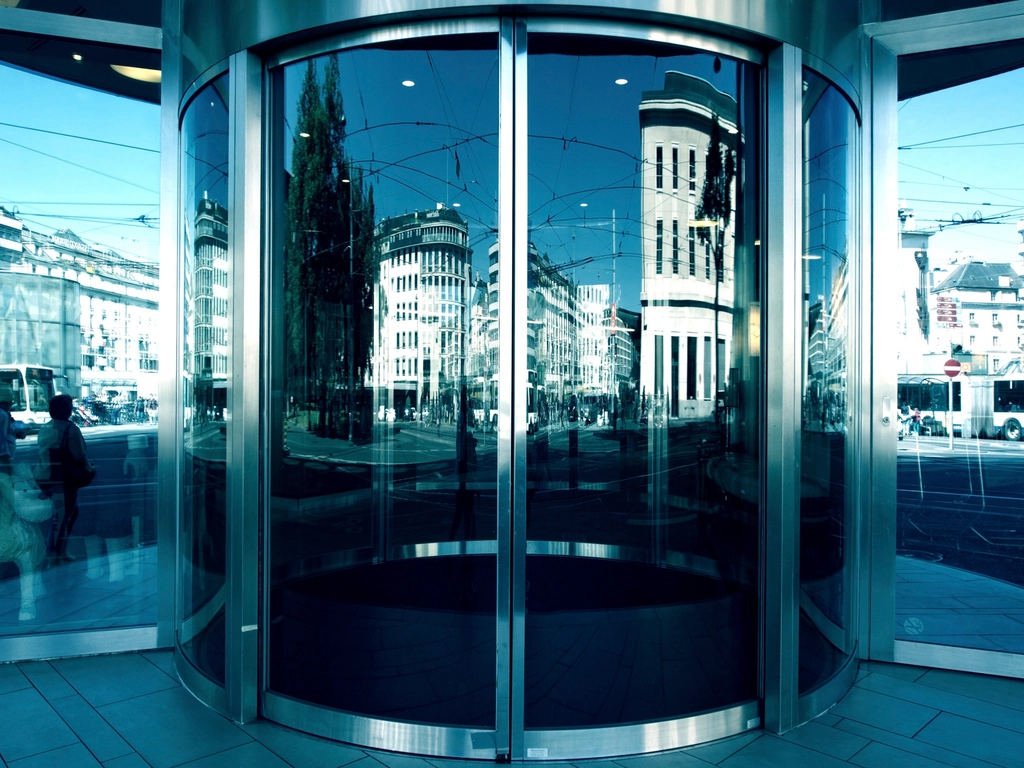
Division 8 glass and glazing is one of the most visible and most complex parts of any commercial project. It covers the storefronts, curtain walls, windows, glass doors, and interior glass that shape how a building looks and performs. For general contractors, it is also a common source of scope gaps, late deliveries, and costly rework. This guide explains what general contractors need to know to manage this scope well.
We will cover the spec structure, typical scope boundaries, submittals, coordination, and closeout. In addition, we share practical tips from the field.

What Division 8 Covers
Construction specs in the United States commonly follow MasterFormat, published by the Construction Specifications Institute. In that system, Division 08 is called “Openings.” It includes doors, frames, windows, hardware, and glazing.
Within Division 08, several sections usually relate to glass work:
- 08 41 13 – Aluminum-framed entrances and storefronts
- 08 44 13 – Glazed aluminum curtain walls
- 08 51 13 – Aluminum windows
- 08 80 00 – Glazing
- 08 83 00 – Mirrors
- 08 71 00 – Door hardware
Projects may add more sections for skylights, fire-rated glass, or all-glass entrances. Read every one carefully, because each has its own requirements.
Why Division 8 Glass and Glazing Needs Extra Attention
The glazing package touches many other trades. It ties into the structure, the air and water barrier, the roof, the cladding, and the interior finishes. As a result, it has more interfaces than most scopes.
It also carries long lead times. Custom glass, special coatings, and large units can take weeks or months to arrive. So decisions made late in design can push the whole schedule.
Finally, glass is costly to fix. A leaking curtain wall or a cracked lite is far harder to repair than a drywall patch. For these reasons, smart GCs give Division 8 glass and glazing extra attention from day one.
Defining Division 8 Glass and Glazing Scope Boundaries
Scope gaps are the most common problem. They happen when two trades each assume the other one is doing the work. To prevent them, define every boundary in writing.
Key questions include:
- Which trade provides steel support behind tall storefronts?
- Who installs perimeter sealant at the glass-to-cladding joint?
- Does the glazier or the roofer supply sill flashing?
- Who provides door hardware for aluminum doors?
- Which vendor handles access control prep and wiring?
- Who installs blocking for anchors?
- Who performs field water testing?
Put the answers in a scope matrix and attach it to each subcontract. Then review it in the preconstruction meeting.
Performance Requirements in the Spec
Division 8 glass and glazing specs often include performance requirements. These may cover wind load, air and water leakage, thermal performance, and acoustic ratings. In many cases, the glazier must engineer the system to meet them.
Read these sections closely. They often require calculations, testing, and stamped drawings. They may also require mockups or lab tests before production starts. All of this takes time and money, so include it in the bid and the schedule.

Submittals and Shop Drawings
For Division 8 glass and glazing, submittals are where design becomes reality. A complete glazing submittal usually includes shop drawings, product data, samples, calculations, and test reports.
For the GC, speed and completeness matter most. First, push the glazier to submit early. Next, review the package before it goes to the architect. Finally, track comments and resubmittals closely. Our guide to glazing submittals covers this process in detail.
Coordination With Other Trades
Division 8 glass and glazing work depends on the trades around it. For example, the framer must deliver straight, plumb openings. The air barrier installer must wrap the openings before the frames go in. Meanwhile, the roofer and cladding installer must tie their work to the glazing system.
Regular coordination meetings keep everyone aligned. During these meetings, review upcoming areas, open questions, and recent problems. Also, walk the site together to check openings before the glazier arrives.
Hardware: The Hidden Risk
Door hardware often sits in its own spec section. Even so, it directly affects aluminum and all-glass doors. If the hardware schedule is late or unclear, the glazier cannot prep the doors.
To avoid delays, finalize the hardware schedule early. Then confirm who supplies each item. Also, coordinate with security and access control vendors on card readers, electric strikes, and power transfers.
Testing Division 8 Glass and Glazing Work
Many Division 8 glass and glazing specs call for field testing. A common test sprays water on a section of the installed wall at a set pressure. An inspector stands inside and looks for drips. Should water appear, the glazier fixes the problem and retests.
In addition, the GC should run its own quality checks. Look for consistent sealant joints, proper flashing, open weeps, and clean glass. Catching issues early keeps the punch list short.

Safety on Glass Jobs
Glass is heavy and sharp. Large lites may weigh hundreds of pounds. Therefore, glaziers use vacuum lifters, cranes, and carefully planned rigging. Fall protection is also critical when crews work at the building edge.
Review the glazier’s safety plan before work starts. Then make sure it fits your site-wide safety program. The OSHA fall protection pages offer helpful guidance.
Budget and Bid Leveling
Glass bids rarely line up neatly. One glazier may include hardware while another leaves it out. One may carry engineering while another lists it as extra. So before you compare prices, level the bids.
Build a simple sheet with each scope item as a row. Then mark what each bidder includes. Common gaps include perimeter sealant, sill flashing, steel support, testing, and final cleaning. Once the gaps are filled, the true low bid often looks very different.
Also, look at allowances and alternates. For example, a bid may carry an allowance for hardware or an alternate for upgraded glass. Make sure these line up across bidders too.
Managing Division 8 Glass and Glazing Lead Times
Lead times drive many glass schedules. Aluminum, glass, and hardware each come from different suppliers. As a rule, the slowest item sets the pace.
To stay ahead, ask the glazier for a procurement log. It should list each item, its order date, and its expected delivery. Review it at every coordination meeting. Then, if a date slips, you can adjust the sequence before the crew sits idle.
Closeout and Warranties
At the end of the job, the glazier should deliver a full closeout package. It usually includes as-built drawings, warranties, maintenance guides, and test reports. Also, ask for a list of glass types by location. That list makes future replacements much easier.
Quick Checklist for General Contractors
- Read every Division 08 section, not just the glazing section.
- Build a scope matrix for all interfaces.
- Bring the glazier in during preconstruction.
- Push early submittals and track review.
- Finalize hardware early.
- Hold regular coordination meetings.
- Plan for mockups and field tests.
- Collect a complete closeout package.
FAQ on Division 8 Glass and Glazing
Is door hardware part of Division 8 glass and glazing?
Hardware sits in Division 08, but often in a separate section. Confirm who supplies it for glass and aluminum doors.
When should a GC bring in the glazier?
As early as possible, ideally during design development or early preconstruction.
Partner With a Division 08 Specialist
Managing glass well protects your schedule, budget, and reputation. We work with general contractors on storefronts, curtain walls, windows, and interior glass. Visit our Division 08 contractor page or contact our team to review your next project.