

Storefront glass installation is one of the first things people notice about a commercial building. It shapes how the street sees your business. It also controls daylight, energy use, and security. This guide walks you through the whole process in plain terms, so you can plan with confidence and ask your glazing team the right questions.
We will cover frame systems, glass choices, code rules, and timelines. In addition, we will point out the common mistakes that cost owners time and money. By the end, you will know what a good job looks like.

What Storefront Glass Installation Includes
A storefront is a framed wall of glass at ground level. Typically, it runs from the floor up to about ten or twelve feet. Most systems use extruded aluminum frames with glass set inside them. The entrance doors are often part of the same package.
So what does the crew actually do? First, they measure the opening after the walls and slab are ready. Next, they build or receive the frames and set them in place. Then they anchor the frames, set the glass, and seal every joint. Finally, they hang the doors and adjust the hardware.
The work sounds simple. However, each step depends on the one before it. A small error in the opening can throw off the whole wall. That is why storefront glass installation needs careful planning from day one.
Choosing a Frame System
In any storefront glass installation, the frame does more than hold glass. It carries wind loads, drains water, and sets the look of the facade. Most commercial storefronts use one of three frame depths.
- 4-1/2 inch frames are the most common choice for retail and office fronts.
- 6 inch frames handle taller openings and higher wind loads.
- 2 inch narrow frames work well for interior storefronts and low-load spots.
You will also choose between center-set and front-set glass. Center-set glass sits in the middle of the frame. As a result, it gives deep shadow lines on both sides. Front-set glass sits near the outside face. That creates a flatter, more modern look.
Thermal breaks matter too. A thermal break is a strip of low-conduction material inside the frame. It slows heat flow between the inside and outside. In hot or cold climates, a thermally broken frame is often required by the energy code. It also cuts condensation on cold mornings.
Picking the Right Glass
For example, glass choice drives comfort, safety, and cost. Most new storefronts use insulated glass units, or IGUs. An IGU has two panes with a sealed air space between them. That space slows heat gain and heat loss.
In addition, coatings add even more control. A low-E coating reflects heat while letting light through. Tints can cut glare on sunny faces. Meanwhile, laminated glass holds together when it breaks, which helps with security and sound.
Safety glazing is not optional in many spots. Doors, glass near doors, and glass close to the floor usually need tempered or laminated glass. The rules come from the building code and from the federal standard for architectural glazing materials. Your glazier should mark each lite on the shop drawings so nothing gets missed.
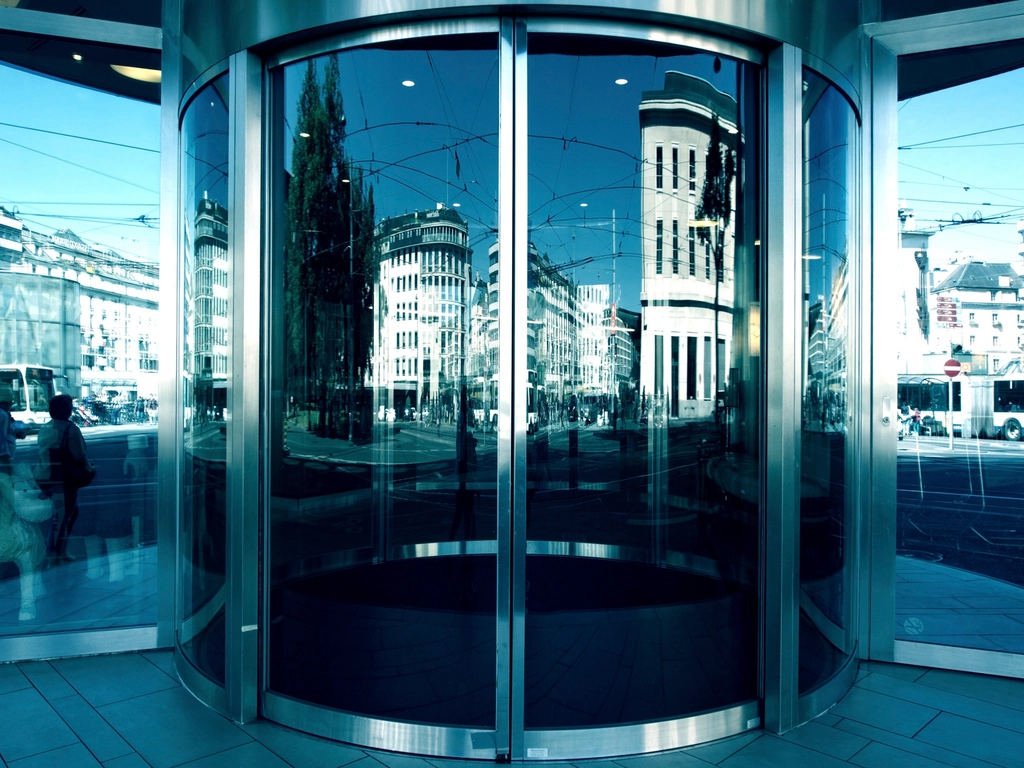
Codes and Standards That Shape Storefront Glass Installation
Also, several rule sets apply to every commercial glass front. The local building code sets wind loads, safety glazing, and egress rules. The energy code sets limits on how much heat the glass and frames can pass. In addition, accessibility rules cover door width, hardware, and thresholds.
Here are the items inspectors check most often:
- Tempered or laminated glass in hazardous locations
- Door clear width and opening force
- Threshold height at the entrance
- Frame anchors that match the approved drawings
- Energy labels or reports for the glass and frames
For accessible entrances, the federal accessibility standards are the starting point. Many cities add their own rules on top. Because of this, a local glazing partner who knows your inspectors can save weeks.
Step-by-Step: How the Work Happens
Every job differs a little. Still, most storefront glass installation projects follow the same path.
- Preconstruction review. The glazier studies the drawings and specs. Then they flag gaps and clashes with other trades.
- Shop drawings and submittals. The team draws every frame, anchor, and glass type. The architect reviews and approves them.
- Field measure. Once walls and the slab are ready, the crew measures each opening.
- Fabrication. The shop cuts and preps the frames. Meanwhile, the glass maker builds the IGUs.
- Frame install. Crews set, shim, and anchor the frames. They also install sill flashing.
- Glazing. The glass goes in with gaskets or tape, then gets sealed.
- Doors and hardware. Installers hang the doors and set closers, locks, and panic devices.
- Testing and punch list. The team water tests key joints and fixes any defects.
How Long Does It Take?
In most cases, lead time is the longest part of storefront glass installation. Aluminum frames and custom glass can take several weeks to arrive. Special coatings, large lites, or unusual colors can take longer. For that reason, order early and lock in your choices before the walls go up.
By contrast, the field work is usually faster. A small retail front may take a few days. On the other hand, a long multi-tenant front can take a few weeks. Weather, access, and other trades also play a part.
Plan for one more thing. Inspections and corrections can add time at the end. So build a short buffer into your schedule before the opening date.

Common Mistakes to Avoid
Most problems with storefront glass installation trace back to a few repeat issues. Fortunately, you can prevent nearly all of them.
- Skipping sill flashing. Water finds the gap under the frame. Then it shows up as stains or rot inside.
- Measuring too early. If walls move after the field measure, the frames will not fit.
- Ignoring hardware. Door hardware has its own lead time. Late hardware can delay your opening.
- Weak anchors. Anchors must match the engineer’s design for your wind zone.
- Poor sealant work. A rushed joint will leak. Good crews clean, prime, and tool every bead.
Cost Factors for Storefront Glass Installation
Overall, the price of storefront glass installation depends on size, glass type, and site conditions. A plain front with clear IGUs costs less than one with laminated glass and custom finishes. Also, tall openings need deeper frames and more steel, which adds cost.
Other cost drivers include:
- Door count and hardware level
- Thermal performance targets
- Access for lifts and glass carts
- After-hours work for open businesses
- Finish color and anodized versus painted frames
To compare bids fairly, ask each glazier to list what is included. Then check for gaps like flashing, caulking at the perimeter, and door hardware. Our cost per square foot guide breaks this down further.
How to Choose a Glazing Contractor
Above all, the right crew makes the job smooth. Look for a contractor with a strong record on commercial fronts like yours. Ask for photos, references, and proof of license and insurance.
Good partners also communicate well, so you always know where the job stands. They answer questions fast, share schedules, and flag problems early. Moreover, they coordinate with your general contractor and other trades. To see how we handle this work, visit our storefront glass service page.
Frequently Asked Questions
Can storefront glass installation happen while my business is open?
Yes, in many cases. Crews can work at night or in phases. They can also install temporary panels to keep the space secure.
Do I need a permit for storefront glass installation?
Usually, yes. Most cities require a permit for new storefronts or major changes. Your contractor should know the local process.
How long does a storefront glass installation last?
With good care, frames can last decades. Sealants and door hardware need checks and service every few years, though.
Ready to Plan Your Storefront?
In short, a well-planned storefront glass installation brings in customers and protects your space. When you plan early, choose the right materials, and hire an experienced crew, the result lasts for years. If you are ready to talk about your project, contact our team for a site review and a clear, itemized proposal.